Retro Tape Embroidery Design Review
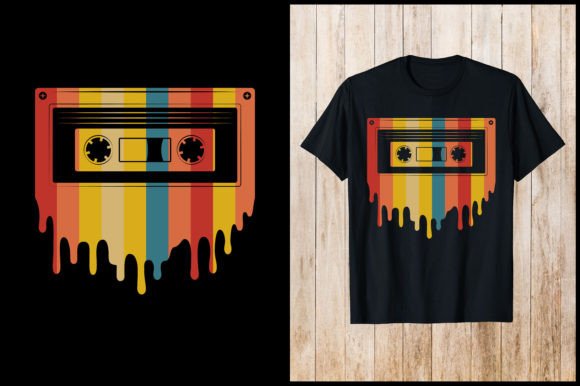
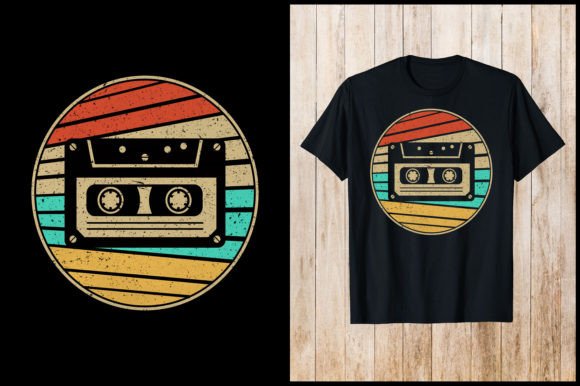
When I first opened the files for the Music Retro Vintage Tape 80s 90s T-Shirt, my immediate thought was about nostalgia. As a designer who spends half her life troubleshooting thread jams and the other half trying to make handmade products look professional, I look for designs that have character but also practical stitching potential. This design captures that specific era of mixtapes and cassette decks with a visual punch that feels both authentic and trendy. But does it translate well from a screen to a hoop? That is the real question for any embroidery designer or small business owner looking to add this to their catalog.
The aesthetic is unmistakably vintage. It evokes the feeling of digging through a crate of old records or finding a forgotten mixtape in a garage sale bin. For an Etsy seller or someone running a craft business, this kind of emotional connection is gold. Customers don’t just buy a shirt; they buy the memory associated with it. The layout suggests a central focal point, likely featuring tape reel graphics or stylized typography reminiscent of the 80s and 90s music scene. It is bold, graphic, and designed to stand out, which is exactly what you want when competing for attention on social media feeds or at a busy craft fair.
Real-World Application: From Screen to Stitch
I recently had a client request a custom embroidered patch for a denim jacket, something that screamed "retro cool" without being too cluttered. This machine embroidery design came to mind immediately. When I pulled up the file to test it, the first thing I noticed was the balance between detail and simplicity. A common pitfall in retro designs is overcrowding; if there are too many tiny elements, the embroidery can turn into a muddy mess of thread. However, this design seems to rely on strong shapes and clear lines, which translates beautifully to satin stitch and fill stitch techniques.
Imagine placing this on a heavyweight cotton sweatshirt for a winter collection. The contrast of vibrant threads against a dark, textured fabric would highlight the vintage theme perfectly. It works equally well as a chest pocket accent on a plain white tee or even on a canvas tote bag. For a tote bag design, the durability of the embroidery adds a layer of quality that customers appreciate. Unlike a printed graphic that might crack after washing, an embroidered finished product holds its shape and color integrity over time. This is a crucial selling point for anyone marketing handmade products as long-lasting gifts.
I also envision this design performing exceptionally well on baby items, such as muslin blankets or onesies, though with some adjustments. The nostalgic vibe appeals to millennial parents who grew up with this era. A soft pastel version of the tape graphic could serve as a unique personalized gift for a nursery or a baby shower. However, this requires careful consideration of thread colors and stitch density to ensure it remains gentle on delicate fabrics.
Where to Exercise Caution
While the design has strong appeal, no single embroidery file is perfect for every application. There are specific scenarios where you need to be cautious. First, consider the size. If you are working with a small hoop size, intricate details within the tape graphic might get lost. Small lettering or thin lines that look sharp on a computer monitor can become illegible blobs when stitched at a reduced scale. Always check the smallest details before committing to production.
Fabric choice is another critical factor. This design relies on a certain level of contrast and structure. On stretchy knits or very thin fabrics, the tension required for dense fills might cause puckering unless you use the correct stabilizer. I strongly advise testing on scrap fabric first. If you plan to embroider this on a curved surface like a cap or a hat, the distortion of the curve might warp the rectangular tape shape, so you may need to adjust the digitizing or use a rigid backing to maintain the geometric integrity of the design.
Additionally, be mindful of thread color selection. The retro theme often calls for bright, neon-like colors or faded pastels. On dark fabric, lighter threads may require multiple passes or a different technique to achieve opacity, which increases the stitch density and weight of the final piece. Conversely, using dark threads on black fabric will result in a lack of visibility. Proper planning of thread colors is essential to maintaining the visual impact of the design assets.
Technical Notes for the Savvy Designer
Before uploading this to your shop or starting a large order, there are several technical checks you should perform. First, inspect the file formats. The product description mentions AI, EPS, and PNG files, which are excellent for vector editing and mockup creation. However, ensure you have the actual embroidery format (like .DST, .PES, or .JEF) compatible with your machine. If these are provided as digital embroidery files, verify that the digitizing is clean—look for underlay stitches that secure the fabric and proper trim commands to keep the finish neat.
Another important step is to review the design in black and white. Sometimes, color distracts us from compositional issues. By converting the design to grayscale, you can better assess the balance of light and dark areas. Does one side feel heavier than the other? Are the negative spaces distributed evenly? This simple trick can save you from producing a lopsided custom apparel item.
You should also confirm the licensing terms. Since this is marketed towards creating products for sale, you must ensure you have the commercial rights to sell finished items made from this design. Many digital marketplaces have strict rules regarding resale rights. Clearing this up early protects your small shop product business from legal headaches down the line. Furthermore, test the design for washability. Run a few samples through a standard wash cycle to see if the threads hold up or if the fabric shrinks disproportionately. This ensures customer satisfaction and reduces returns.
Final Verdict on Visual Appeal and Market Fit
Overall, the Music Retro Vintage Tape 80s 90s T-Shirt design offers a strong foundation for a variety of embroidery projects. Its nostalgic charm resonates with a wide audience, making it versatile for holiday embroidery, wedding favors, or everyday wear. The graphic nature of the tape motif lends itself well to high-quality stitching, allowing designers to showcase their skills with crisp satin stitch edges and rich fill stitch backgrounds.
For creative entrepreneurs and makers, this design provides a ready-made aesthetic that saves time on conceptualization. You can focus on marketing and branding rather than spending hours sketching initial ideas. Whether you are creating printable mockups for online listings or producing physical goods for a boutique, this design adds a touch of professionalism and style. Just remember to respect the technical limitations of embroidery by choosing the right fabric, stabilizer, and hoop size.
In conclusion, this is a solid addition to any graphics library aimed at apparel decorators. It bridges the gap between digital art and tactile craft effectively. By paying attention to the details during the production phase, you can transform this music retro vintage tape concept into a best-selling item that customers will love to wear and display. It is not just a design; it is a conversation starter, a piece of wearable history, and a testament to the enduring appeal of analog culture in a digital world.