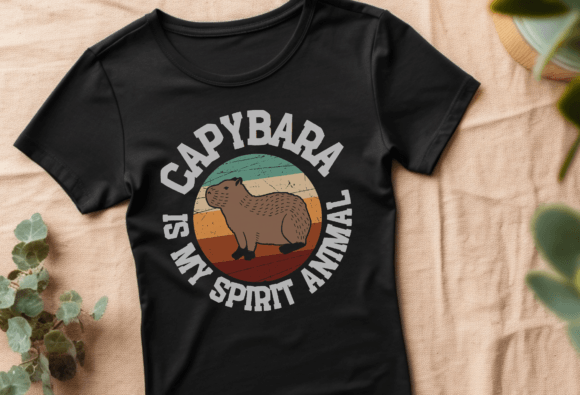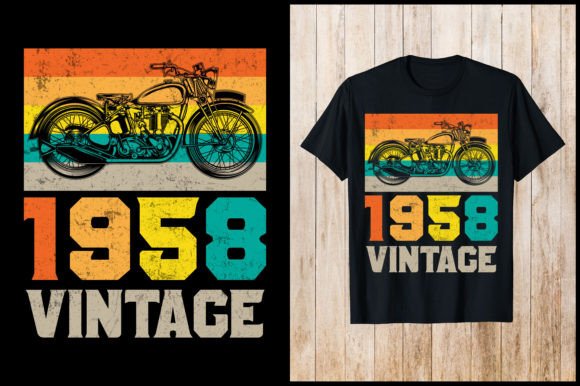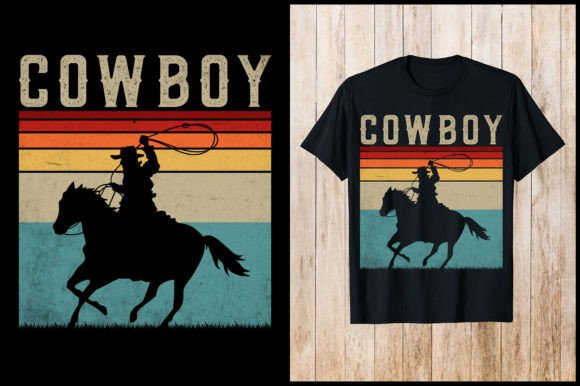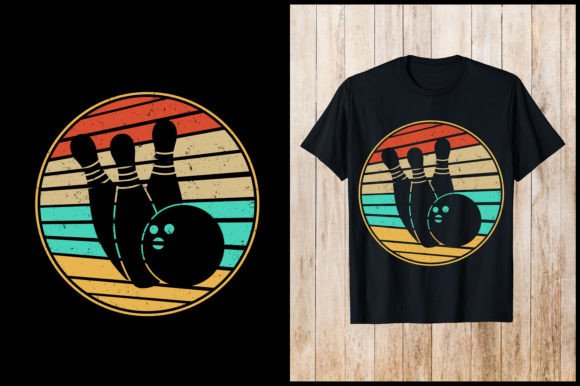
Roller Coasters Retro T-shirt Design Review
When I sit down to evaluate a new digital asset for my embroidery studio, I am rarely looking at it as just a graphic. I am looking at it as a potential stitch pattern. As an experienced designer and reviewer, I spend most of my day thinking about how vector lines translate into satin columns, how negative space affects thread tension, and whether a design will hold up after twenty washes. That is exactly the lens through which I approached Roller Costers Retro T-shirt Design. This is not just a picture; it is a set of design assets intended for production, and understanding its limitations and strengths is crucial before you commit to a project.
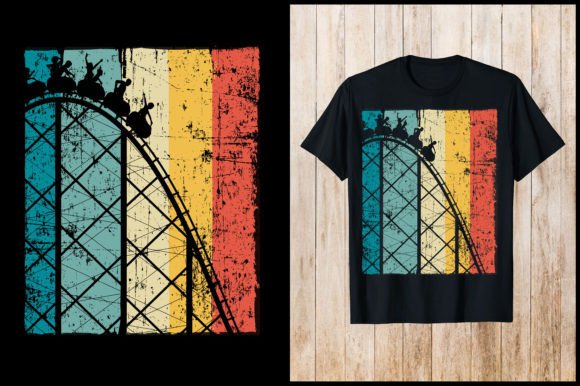
The immediate first impression of this piece is one of high-energy nostalgia. The retro theme suggests a vintage aesthetic that has been incredibly popular in the handmade market over the last few years. For those of us creating custom apparel or boutique merchandise, tapping into that sense of familiarity is a smart move. However, from a technical standpoint, the "retro" style can sometimes be a trap. It often relies on complex gradients or thin, delicate lines that are a nightmare to digitize properly. My initial assessment of Roller Costers Retro T-shirt Design is that it leans heavily into bold shapes, which is a very positive sign for machine embroidery. Bold shapes mean cleaner stitches, better coverage, and a more professional finished product.
Real-World Application: From Screen to Stitch
To truly understand the value of this file, we need to look at where it would actually live in a physical product. Let’s imagine a specific scenario. You are preparing a batch of gifts for a local craft fair or perhaps fulfilling orders for your Etsy shop. You decide to create a line of sweatshirt embroidery pieces featuring classic amusement park vibes. You choose a heather grey crewneck sweatshirt and plan to place the design on the chest area.
In this context, Roller Costers Retro T-shirt Design performs quite well. The layout appears balanced enough to sit comfortably on a standard left-chest placement without overwhelming the wearer. Unlike some overly intricate designs that disappear on bulky fabrics, the strong visual personality of this design ensures it catches the eye. It works particularly well as a tote bag design for canvas bags, where the sturdy fabric can support the weight of the threads without puckering. It also translates beautifully to a kitchen towel or tea towel, adding a touch of whimsy to home goods—a category that is often overlooked but highly profitable for small business owners.
Furthermore, this design has strong potential as a personalized gift. Think about holiday gifting or birthday presents. A custom embroidered pillow cover featuring this retro coaster motif could serve as a unique nursery decor item or a fun accent for a teenager’s room. The versatility here is key. It is not limited to just one type of handmade product; rather, it serves as a flexible graphic that can be adapted across various categories, from apparel decorators working on caps to makers creating embroidered patches for denim jackets.
Technical Considerations and Fabric Choices
While the artistic merit is clear, any seasoned embroiderer knows that the medium is just as important as the message. When evaluating Roller Costers Retro T-shirt Design, we must discuss where it should be used carefully. The provided description notes that you receive AI, EPS, and PNG files with a large artboard size (4500 x 5400px). This indicates a high-resolution vector source, which is excellent for scaling. However, high resolution does not automatically guarantee good embroidery results if the underlying structure is too dense.
There are several scenarios where this design might struggle. First, consider small hoop sizes. If you attempt to stitch this on a tiny baby item or a miniature patch, the details may become muddy. Fine lines that look crisp on a screen can merge together when stitched in fill stitch or dense satin stitch areas. Always test the design on scrap fabric first to ensure the smallest elements remain distinct. Second, avoid using this on highly textured fabrics like heavy boucle wool or loose-weave linen. The needle penetration required for this level of detail could distort the fabric, leading to an uneven surface. Similarly, stretchy fabrics like thin jersey knits require a strong stabilizer to prevent the design from warping during the stitching process.
Another critical factor is thread colors. Retro designs often rely on specific color palettes to achieve their vintage feel. If you are stitching this on dark fabric, you will need to use underlay stitches effectively to ensure the top threads pop. Conversely, on light fabrics, you might lose contrast if the thread colors are too close to the background. I recommend testing the design in black and white mockups to check the contrast levels before committing to expensive specialty threads. Also, inspect the stitch density closely. If the design calls for too much thread in a small area, it can become stiff and uncomfortable to wear, especially on custom apparel like t-shirts or hats.
Visual Appeal and Brand Consistency
From a marketing perspective, Roller Costers Retro T-shirt Design offers significant advantages. In the crowded world of Etsy seller listings and craft business storefronts, visual clarity is everything. A design that looks professional and intentional builds customer trust. Buyers can often tell when a design has been poorly digitized—when threads bunch up, when there are gaps in the fill, or when the overall shape looks distorted. By starting with a clean, well-proportioned graphic like this, you are setting yourself up for success.
The retro theme also taps into current trends without feeling dated. It appeals to a broad demographic, from millennials who remember the analog era to Gen Z consumers who appreciate vintage aesthetics. This makes it a versatile choice for commercial embroidery projects aimed at diverse audiences. Whether you are branding a small boutique or creating holiday embroidery collections, this design adds a layer of sophistication that elevates the perceived value of your finished product. It helps differentiate your work from mass-produced items, reinforcing the idea of quality craftsmanship.
Practical Designer Notes for Success
Before you load this file into your embroidery machine, there are several practical steps you should take. First, confirm the licensing terms. The description mentions it is ready for print and includes various file formats, but it is vital to verify whether you have commercial rights to sell the finished items. Many designers overlook this step, leading to legal issues down the road. Second, review the hoop size requirements. Ensure your machine can accommodate the dimensions of the design, especially if you plan to stitch it on larger items like blankets or wall hangings.
Additionally, pay attention to the applique design possibilities. If the original graphic includes distinct color blocks, you might consider using applique techniques to achieve a smoother finish than traditional stitching alone. This can add a premium feel to your products, justifying a higher price point. Finally, always compare light and dark fabric backgrounds. A design that looks vibrant on a white background might appear dull on navy blue. Adjusting your thread selection or adding a backing layer can help maintain the integrity of the embroidery project.
In conclusion, Roller Costers Retro T-shirt Design is a solid choice for designers looking to add a touch of nostalgia to their portfolio. Its bold shapes and clear layout make it suitable for a wide range of applications, from caps and hats to pillow covers. By paying attention to fabric choices, stitch density, and proper stabilization, you can transform this digital graphic into a tangible, high-quality product that resonates with customers. It is a reliable tool in the arsenal of any creative entrepreneur seeking to produce professional-grade embroidery files for the modern market.