Vintage Retro Steak House Logo Review
As a designer who spends half the day tweaking stitch paths and the other half worrying about whether a client’s vision will actually survive the embroidery machine, I approach every new file with a healthy dose of skepticism. We have all seen designs that look stunning on a screen but turn into a muddy, unrecognizable blob once the needle starts punching through fabric. Today, I am putting Vintage Retro Steak House Logo under the microscope to see if it holds up in real-world application. This isn’t just about aesthetics; it is about functionality, marketability, and the practical reality of turning a digital vector into a tangible handmade product.
First Impressions: Mood and Visual Personality
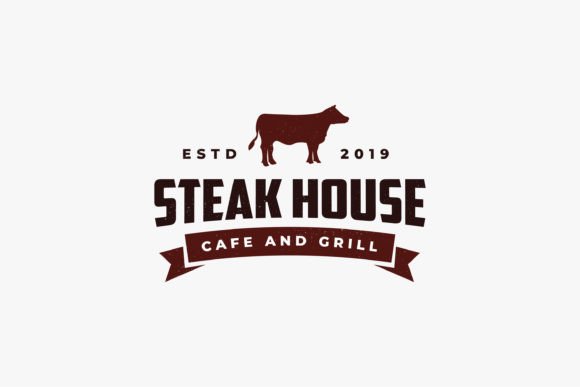
The moment you load Vintage Retro Steak House Logo, the mood is immediately established. It leans heavily into nostalgia, evoking the feeling of a classic diner or a mid-century roadside stop. For designers looking to create custom apparel or boutique branding, this kind of specific atmospheric pull is invaluable. It doesn’t try to be modern minimalist; it embraces bold lines and a retro aesthetic that resonates with customers who value authenticity and heritage.
From a layout perspective, the design feels balanced. The text hierarchy appears clear, which is crucial for legibility after stitching. When evaluating any machine embroidery design, I always ask: "Can I read this from three feet away?" If the answer is no, it fails as a logo. The visual personality here suggests strength and tradition, making it an excellent candidate for embroidered patch applications or heavy-duty goods like canvas aprons and workwear.
Real-World Application: Where Does This Design Shine?
I recently imagined using Vintage Retro Steak House Logo for a small batch of custom tote bags intended for a local food festival. Tote bags are a staple for the Etsy seller or craft business owner, but they present unique challenges regarding fabric tension and stability. Because this design is described as vector-based and fully editable, I can adjust the scale without losing quality. In a real scenario, I would likely place this centrally on a heavy cotton canvas tote, using a sturdy cut-away stabilizer to prevent puckering.
This design also screams potential for sweatshirt embroidery. Think of a heather grey crewneck with the logo stitched on the left chest. The retro vibe pairs perfectly with casual wear. Furthermore, for small shop product owners, this could serve as a key element in a branded merchandise line—perhaps printed on tea towels or kitchen aprons for a chef’s gift set. The versatility of the Graphics category allows it to function not just as an embroidery file, but as a printable mockup source for digital listings before committing to physical production.
Ideal Use Cases for Crafters and Makers
- Custom Apparel: Ideal for jackets, denim vests, and hoodies where a statement piece is desired.
- Home Decor: Perfect for pillow covers or wall hangings in a farmhouse or industrial-style interior.
- Holiday Embroidery: Works well as a themed gift for hosts or culinary enthusiasts during the winter holidays.
- Commercial Embroidery: Suitable for restaurant uniforms or promotional items for steakhouses and diners.
Technical Considerations and Stitch Execution
While the vector files (AI, EPS 10, PDF, SVG) offer flexibility, the actual embroidery outcome depends entirely on how the design translates to thread. Since the description notes "Non-editable text" in some contexts or implies fixed elements, I must advise caution regarding fine details. If the logo contains intricate script or tiny decorative accents, these areas require a high-quality machine and skilled digitizing to avoid thread breaks or clumping.
When preparing this for production, I always recommend testing the stitch density. A dense fill stitch can make a fabric stiff, which might be undesirable for soft baby clothes or delicate scarves. However, for durable items like caps or hats, higher density adds structure and longevity. I would scrutinize the satin stitch borders around any text or icons to ensure they lay flat and cover the underlying fabric completely. If the satin stitches are too wide for the available hoop size, the design may distort.
Stabilizer and Fabric Pairing
The success of Vintage Retro Steak House Logo hinges on proper support. On stretchy fabrics like jersey knits, a tear-away or wash-away stabilizer is essential to maintain shape. On woven fabrics like linen or cotton twill, a cut-away stabilizer provides lasting durability, especially for items that will undergo frequent washing. Always inspect the design for large open spaces; these may require additional tack-down stitches to keep the fabric taut during the run.
Pitfalls to Avoid: Where Caution Is Needed
No design is perfect for every surface. There are specific scenarios where Vintage Retro Steak House Logo might struggle. First, avoid attempting this on extremely small hoop sizes. If the logo includes detailed corners or layered elements, shrinking it down too much will result in a loss of definition. Tiny lettering, in particular, can become illegible if the stitch count is insufficient.
Additionally, be mindful of textured fabrics. A boucle knit or a heavily napped fleece can obscure the fine lines of a retro logo. Similarly, dark fabrics can swallow up lighter thread colors, reducing contrast. Before committing to a full production run, I strongly advise creating a black-and-white mockup or stitching a test sample on scrap fabric. This helps verify that the thread colors provide enough pop against the chosen background.
Value Proposition for Sellers and Creators
For the creative entrepreneur, the appeal of this design lies in its broad marketability. It taps into the popular "vintage" trend without being tied to a fleeting meme or seasonal fad. This timelessness increases the lifespan of your finished product. Customers trust brands that present professional, cohesive aesthetics. A well-executed embroidered logo signals quality, enhancing the perceived value of the item.
Furthermore, because the source files are scalable, you can adapt this digital embroidery file for various uses. You might use the SVG version for vinyl cutting on hard surfaces or the JPG preview for social media marketing. This multi-format utility saves time and maximizes the return on investment for the design asset.
Practical Checklist for Implementation
- Test on Scrap Fabric: Always stitch a test run to check tension and alignment.
- Verify Hoop Size: Ensure your machine’s hoop accommodates the design’s dimensions comfortably.
- Check Licensing: Confirm commercial rights before selling finished items or digital products.
- Inspect Details: Zoom in on the vector file to identify any overly thin lines that may not stitch well.
- Compare Backgrounds: Test the design on both light and dark fabrics to ensure visibility.
Final Verdict
Vintage Retro Steak House Logo is a strong contender for designers seeking a nostalgic, bold aesthetic for their projects. Its vector foundation ensures scalability, while its thematic clarity makes it suitable for a wide range of embroidery project types, from personal gifts to commercial merchandise. By paying attention to stitch density, stabilizer choice, and fabric texture, you can transform this graphic into a high-quality, professional finish that delights customers and strengthens your brand identity. Just remember: the best designs are those that respect the limitations of the medium while maximizing its expressive potential.