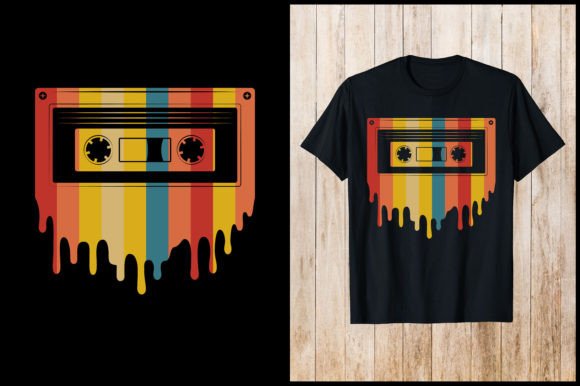
Retro Mixtape Embroidery Design Review
When I look at a new T-Shirt Designs graphic, my first instinct is not to ask if it looks cool on a screen. My first question is always: how will this hold up under the needle? As an experienced designer who reviews Graphics for real-world application, I spend more time thinking about stitch density and fabric behavior than I do about color palettes alone. Today, I am evaluating the Mixtape with Retro Music 80s 90s T-Shirt design. This piece captures a specific nostalgia that is currently dominating the craft business landscape, but does it translate well into a physical embroidery project?
First Impressions and Visual Personality
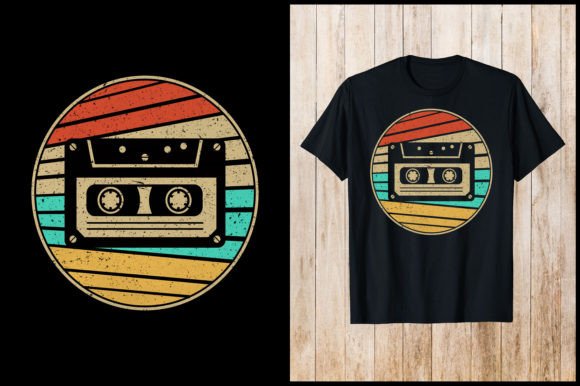
The moment you load the file, the vibe is unmistakable. The Mixtape with Retro Music 80s 90s T-Shirt leans heavily into the aesthetic of cassette tapes, neon gradients, and bold typography associated with the late twentieth century. For an embroidery designer, this visual personality is a double-edged sword. On one hand, the theme is instantly recognizable. It speaks directly to millennials and Gen Xers who appreciate vintage culture. On the other hand, retro designs often rely on complex gradients or thin lines that can disappear when converted into thread.
In its digital form, the design feels energetic and playful. It suggests movement and sound, which is exactly what you want for a custom apparel item. However, the layout appears to balance detailed graphical elements with solid blocks of text. This is a crucial observation because it tells me where the machine’s attention will be focused. If the design uses a mix of satin stitch for outlines and fill stitch for the body, it promises a textured, high-quality finish that elevates a simple garment from mass-produced to boutique-level.
Real-World Application: The Sweatshirt Scenario
To truly judge this design, I need to imagine it in use. Let’s say I am preparing a batch of merchandise for a local craft fair or an Etsy seller listing. The most natural home for the Mixtape with Retro Music 80s 90s T-Shirt is a heavyweight cotton sweatshirt or a thick hoodie. These fabrics provide the necessary stability for the stitching and complement the rugged, nostalgic feel of a mixtape.
Imagine placing this design on the left chest area of a heather grey crewneck. The contrast between the soft fabric and the structured embroidery creates a tactile experience that customers love. It transforms a basic garment into a statement piece. Alternatively, consider using this as a central back print on a oversized tee. In this scenario, the design acts as a focal point, drawing the eye and sparking conversation. It works exceptionally well as a personalized gift for music lovers, birthdays, or holiday surprises.
I also see potential in non-apparel applications. A tote bag design featuring this mixtape motif would appeal to students and artists. The durability of canvas allows for heavier thread usage without puckering. Even a kitchen towel could benefit from a smaller version of this graphic, adding a pop of retro flair to a modern home. The versatility here is significant, provided we respect the limits of the design’s detail.
Technical Considerations and Stitch Analysis
This is where the rubber meets the road. When converting a vector digital embroidery file like this into machine code, several factors come into play. The Mixtape with Retro Music 80s 90s T-Shirt likely contains areas of high stitch density, particularly if the tape label or logo is filled in completely. High density can cause bulkiness, especially on thinner fabrics like polyester blends or lightweight tees. If the fabric is too thin, the stabilizer underneath might create an uncomfortable lump against the skin.
Furthermore, we must discuss thread colors. Retro themes often demand vibrant neons—hot pinks, electric blues, and lime greens. While these look stunning digitally, they can sometimes appear muddy or overly bright in thread form depending on the sheen of the rayon or polyester thread used. It is essential to test the thread colors against the fabric background. A dark navy shirt might swallow up a deep blue thread, while a white shirt might make a pale yellow unreadable. Always check your stitch density in these transition zones.
If the design includes fine details, such as small text or intricate circuit-board-like patterns on the tape, you need to ensure your hoop size is sufficient. Small hoops limit the range of motion for the needle head, potentially causing registration errors. For the best results, use a large enough hoop to keep the fabric taut and stable. Also, consider the type of stabilizer. A cut-away stabilizer is generally recommended for garments that will undergo frequent washing, ensuring the embroidery maintains its shape over time.
Where to Exercise Caution
Not every surface is suitable for this level of detail. I would advise against using the Mixtape with Retro Music 80s 90s T-Shirt on curved surfaces like baseball caps unless you have specialized cap-hooping attachments and are confident in your tension settings. Curved surfaces can distort straight lines, making the mixtape look warped. Similarly, avoid this design on stretchy knit fabrics without proper stabilization, as the elasticity can cause the stitches to pucker or break during wear.
Textured fabrics, such as chenille or heavy wool, can hide the finer details of the embroidery. If the fabric has a long nap, the running stitch or satin stitch edges may become obscured, losing their crisp definition. In these cases, a simpler, bolder design might yield better results. Additionally, if you are targeting the baby market, be mindful of the weight of the embroidery. A dense mixtape design on a delicate onesie might be too heavy and uncomfortable for an infant.
Commercial Viability and Branding
For the small shop product creator, the value of this design lies in its broad appeal. Nostalgia is a powerful marketing tool. Customers trust handmade products that evoke positive memories. By offering a commercial embroidery piece that resonates with pop culture, you increase the likelihood of engagement and sales. The design fits seamlessly into a brand identity centered around vintage aesthetics, music, or creative arts.
However, before you start printing mockups or listing items, you must address licensing. The product description mentions AI, EPS, and PNG files, which suggests a vector-based source. But does this grant you the right to sell finished embroidered goods? Many designers purchase personal-use licenses by mistake. Ensure you have a commercial license for the design assets to protect your business. Without proper rights, your finished product sales could be jeopardized.
Final Verdict
The Mixtape with Retro Music 80s 90s T-Shirt is a strong candidate for any embroiderer looking to tap into the retro market. It offers a clear visual narrative and versatile placement options. Its success, however, depends entirely on execution. Test it on scrap fabric first. Inspect the small details. Confirm the hoop size. And always prioritize the comfort and durability of the final piece. When done correctly, this design has the potential to become a staple in your embroidery project library, delighting customers and showcasing your technical skill.