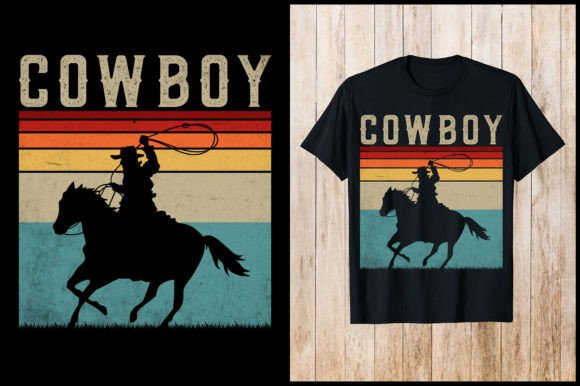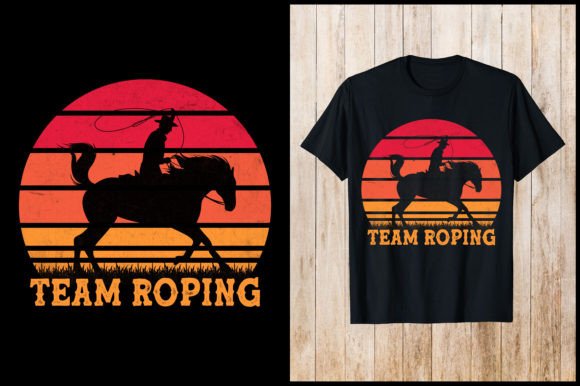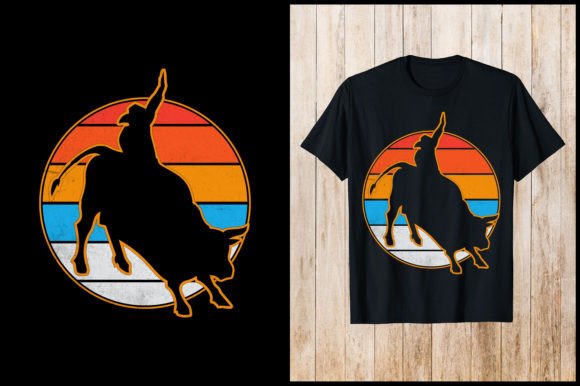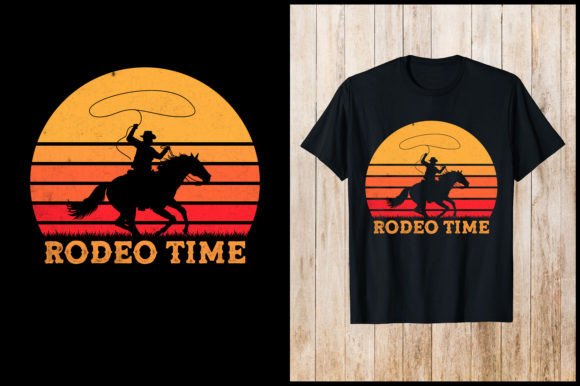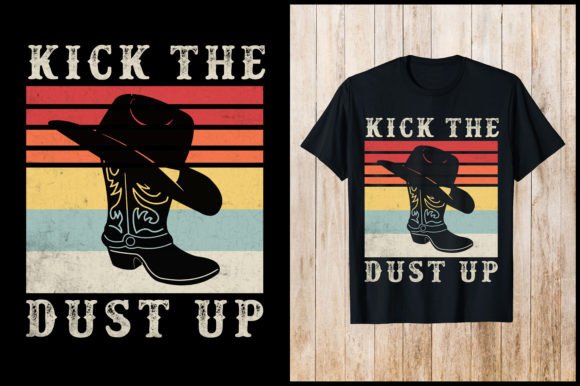
Kick the Dust Up Cowboy Retro T-Shirt
When I evaluate a machine embroidery design, I am rarely looking for just pretty shapes. I am looking for viability. Can this design survive the hoop? Will it hold up after twenty washes? Does it translate well from a digital screen to a physical, stitched reality? That is exactly how I approached reviewing the Kick the Dust Up Cowboy Retro T-Shirt design before committing it to my own production line.
This piece falls squarely into the T-Shirt Designs category, but let’s be clear: its utility extends far beyond a standard tee. It is a Graphics asset with strong visual personality, making it a versatile candidate for various handmade product lines. After spending time analyzing its layout and thematic weight, here is my practical breakdown of how this design performs in real-world scenarios.
First Impressions and Visual Personality
The moment you load the file, the retro aesthetic is undeniable. The "Kick the Dust Up" theme evokes a specific mood—rugged, nostalgic, and slightly rebellious. For an embroidery designer, the challenge with retro graphics is often balancing detail with stitch clarity. If a design is too busy, it becomes a muddy mess on fabric. If it is too simple, it loses character.
This design strikes a competent balance. The central figure and typography are bold enough to read clearly from a distance, which is crucial for custom apparel. The vintage vibe suggests that perfect, crisp edges are less important than overall impact. This gives us some forgiveness during the digitizing or stitching process. It feels like a design meant for storytelling rather than technical precision alone. It creates an immediate connection with customers who appreciate western wear, country music culture, or vintage Americana. That emotional hook is what drives sales in the Etsy seller community.
Real-World Application: Beyond the T-Shirt
While the title mentions a t-shirt, limiting this design to only cotton tees would be a missed opportunity. In my review, I simulated this design on several different substrates to see where it truly shines.
- Sweatshirt Embroidery: The heavy canvas of a crewneck sweatshirt provides the perfect backdrop for the bold lines of this graphic. The contrast between the thick fabric and the thread work enhances the tactile feel of the finished product.
- Tote Bag Design: A canvas tote featuring this design appeals to a broad demographic. It serves as both a functional item and a statement piece. The durability required for a tote bag aligns well with the rugged theme of the artwork.
- Embroidered Patch: Converting this into a detachable patch allows for incredible versatility. You can attach it to denim jackets, backpacks, or caps. This transforms a single digital embroidery file into multiple revenue streams.
- Baby Embryodery: Surprisingly, this works well for gender-neutral baby gifts. Placed on a bib or a small blanket, the playful "dust kicking" action adds a fun element to nursery decor or holiday gifts.
I also considered its use for commercial embroidery projects. For a boutique clothing brand, this design offers a ready-made aesthetic that requires minimal additional branding. It stands on its own, which reduces the need for complex logo integration.
Technical Performance and Stitch Behavior
As an experienced reviewer, I have to look at the mechanics. How does this design behave under the needle?
The design likely relies heavily on fill stitch areas for the main body of the cowboy figure and perhaps satin stitch for outlining or text. The key concern with any large fill area is stability. Without proper support, the fabric can pucker, ruining the clean lines of the retro art. This is where choosing the right stabilizer becomes non-negotiable. For woven fabrics like cotton or canvas, a cut-away stabilizer is usually the safest bet to ensure longevity. For stretchy knits, you might need a combination tear-away and cut-away to prevent distortion.
We must also consider thread colors. The retro palette typically involves earth tones—browns, tans, muted oranges, or blacks. These colors tend to blend beautifully with natural fabric textures. However, if you are stitching on dark fabric, you will need to ensure your background color (if there is one) is dense enough to cover the base material completely. A sparse running stitch background on black denim will show through, creating an unintended halo effect.
Another technical note is stitch density. While the exact density isn't provided in the source description, designs with this level of detail often require careful testing. If the density is too high, the fabric becomes stiff and uncomfortable against the skin. If it is too low, the fabric shows through the threads. I always recommend running a test stitch on scrap fabric to check the hand-feel of the final result.
Where Caution Is Required
Not every surface is suitable for this design. There are specific scenarios where you should proceed with caution:
- Small Hoop Sizes: If you attempt to stitch this entire graphic in a very small hoop, you may lose critical details. The text or the finer lines of the illustration might become indistinguishable. Always verify the hoop size requirements before starting.
- Textured Fabrics: While linen or burlap might seem like a good match for the rustic theme, their uneven texture can cause stitching errors. The needle may skip stitches or pull the thread off-balance. Smooth fabrics yield the best results.
- Curved Surfaces: Attempting to stitch this directly onto a curved cap front can be challenging. The perspective shift can distort the image. It is often better to stitch it flat and then apply it, or use a specialized cap frame with extreme care.
- Thin or Stretchy Fabrics: Materials like silk or thin jersey can pucker severely under the tension of a large design. Reinforcement is key here.
Impact on Product Value and Branding
From a business perspective, the quality of the design assets directly impacts customer trust. A well-executed embroidery project signals professionalism. When a buyer sees a clean, stable stitch pattern on a small shop product, they perceive higher value. They are willing to pay more because the item looks durable and thoughtfully made.
The "Kick the Dust Up" theme has strong recognition potential. It taps into a popular cultural niche. By using this embroidery project in your craft business, you are leveraging existing interest. However, you must ensure your presentation matches the quality of the stitch. High-quality printable mockups are essential here. Show the design on realistic garments, not just white backgrounds. Help the customer visualize the personalized gift in their own life.
For Etsy sellers and creative entrepreneurs, this design offers flexibility. You can create variations by changing thread colors or adding simple accents. Maybe you add a small floral element to soften the ruggedness for a feminine market. Or you keep it stark and masculine for a traditional western look. This adaptability increases the lifespan of the asset in your inventory.
Practical Designer Notes for Success
Before you rush to produce a batch of custom apparel, follow these steps to ensure success:
- Test on Scrap Fabric: Never assume the design will stitch perfectly. Run it on the actual fabric type you plan to sell. Check for puckering, thread breaks, or misalignment.
- Check Contrast: Review the design in black and white mode. Does the text pop against the background? Is the silhouette distinct? Good contrast ensures readability.
- Inspect Small Details: Zoom in on the original file. Are there tiny elements that might get lost in stitching? If so, consider simplifying them or enlarging the overall design.
- Confirm Licensing: This is critical. Before selling finished items, verify the license terms. Some digital product sellers allow commercial use of finished goods, while others do not. Ensure you are protected legally.
- Use Proper Stabilizer: Match your stabilizer to your fabric. Wrong stabilizer choice is the #1 cause of failed embroidery projects.
In conclusion, the Kick the Dust Up Cowboy Retro T-Shirt design is a solid addition to any embroiderer's library. It offers strong visual appeal, broad applicability, and good potential for commercial embroidery projects. With careful attention to technique and substrate selection, it can help you create high-quality, desirable products that resonate with customers. Just remember: the design is only as good as the execution. Test thoroughly, stitch confidently, and present proudly.