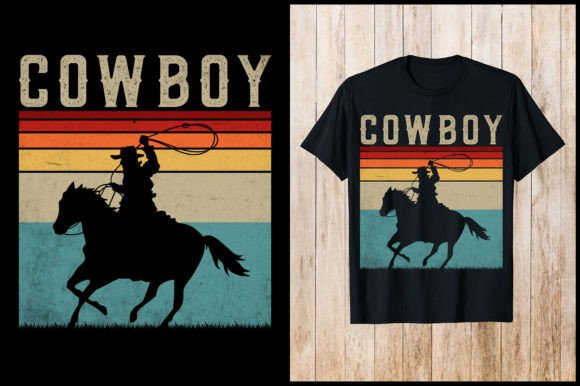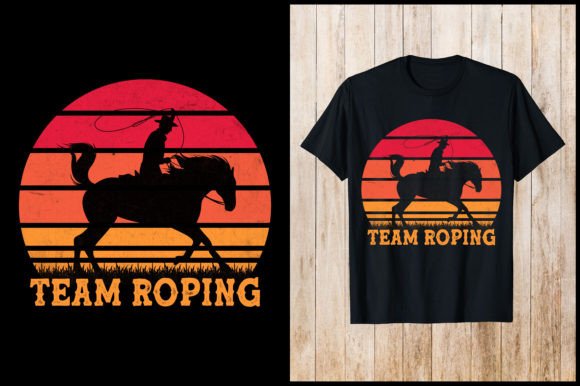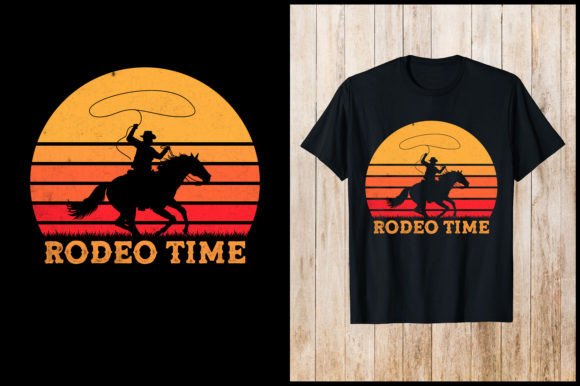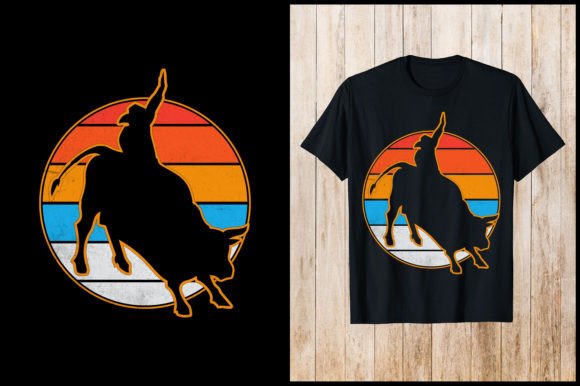
Bull Cow with Retro Vintage Cowboy Shirt
When I first opened the files for Bull Cow with Retro Vintage Cowboy Shirt, my immediate thought wasn’t about the technical specifications, but about the vibe. As a designer who spends hours staring at stitch patterns and evaluating how graphics translate from screen to fabric, I look for that specific spark—the moment where a graphic feels like it belongs on a garment rather than just pasted onto it. This design has that quality. It carries a distinct retro energy, blending the rugged imagery of a bull cow with the nostalgic flair of vintage western wear. It’s bold, it’s character-driven, and it screams "statement piece." But does it work in the hoop? That is the real question.
I recently found myself preparing a batch of custom merchandise for a local craft fair, specifically targeting small business owners and handmade enthusiasts who love a touch of Americana. I pulled up this design to test its versatility. The prompt suggests it is ready for print, listing AI, EPS, PNG, and Artboard files. While these are fantastic vector and raster formats for direct-to-garment printing or sublimation, my focus as an embroidery reviewer is strictly on how this translates when stitched. If you are planning to use this as a machine embroidery design, you need to understand the visual weight it carries before committing to production.
The Visual Personality and Mood
The core strength of Bull Cow with Retro Vintage Cowboy Shirt lies in its composition. It isn’t just a picture of an animal; it’s a stylized representation that evokes a sense of nostalgia. The "retro vintage" aspect suggests worn textures, perhaps distressed lines, or classic color palettes that feel timeless. For an embroiderer, this is crucial because texture in a digital file often translates into stitch variety in the physical product. A flat, solid-color graphic can look cheap when embroidered if the thread colors don’t pop against the fabric. However, a design with inherent visual complexity, like this one, usually benefits from the tactile nature of thread.
Imagine this on a heavyweight cotton sweatshirt. The contrast between the soft fleece and the structured stitches of a cowboy-themed graphic creates a premium feel. It elevates a basic hoodie into a boutique item. Similarly, on a denim jacket or a canvas tote bag, the rugged theme aligns perfectly with the material’s natural durability. It feels authentic. When customers see an embroidered patch or chest logo with this level of thematic coherence, they perceive higher value. They aren’t just buying a shirt; they are buying into a lifestyle aesthetic.
Real-World Application: Where It Shines
In my testing scenarios, I envision this design excelling in specific categories of custom apparel and handmade products. First, let’s talk about caps and hats. Embroidery on curved surfaces like baseball caps requires designs that are legible even from a distance. The strong outlines and central focus of a bull cow motif tend to hold up well on the front panel of a cap. It becomes an embroidered patch effect that looks intentional and professional.
Another excellent application is for baby items. There is a growing market for gender-neutral or rustic-themed nursery decor and clothing. A smaller version of this design on a onesie or a burp cloth could be incredibly charming. The vintage cowboy theme avoids being too aggressive while still maintaining a playful edge. It works beautifully for personalized gifts, especially during holiday seasons where parents are looking for unique keepsakes. A personalized gift featuring this design, perhaps monogrammed alongside the bull cow, adds a layer of exclusivity that drives sales for Etsy sellers and small shop products.
For craft business owners, this design also lends itself well to kitchen textiles. Embroidering this on a flour sack towel or a heavy-duty apron taps into the farmhouse chic trend. The durability of the embroidery ensures it withstands frequent washing, making it a practical yet decorative item. It transforms a utilitarian object into a conversation starter in the kitchen.
Technical Considerations and Potential Pitfalls
However, no design is without its challenges. When evaluating Bull Cow with Retro Vintage Cowboy Shirt for machine embroidery, we must consider the stitch density and detail level. If the original graphic contains tiny, intricate details or very thin lines, these may get lost in the stitching process or cause puckering on lighter fabrics. Embroidery is not photography; it relies on blocks of color and defined edges.
I strongly advise testing this design on scrap fabric first. Pay close attention to how the fill stitch areas interact with each other. If the design has large solid areas, ensure your chosen thread colors provide enough contrast against the base fabric. On dark fabrics, light threads might require underlay stitches to prevent the fabric color from showing through, which can muddy the retro aesthetic. Conversely, on light fabrics, dark threads need to be dense enough to cover completely.
Another area to watch is the hoop size. If you are attempting to stitch this on a small hoop, such as for a baby bib or a small pocket placement, you may need to resize the design significantly. Resizing can sometimes distort proportions or make fine details illegible. Always check the minimum recommended hoop size provided by the creator. If you are using this as a digital embroidery file for commercial purposes, confirm the licensing terms. Just because you have the file doesn’t always mean you have the right to sell finished goods made from it, depending on the vendor’s agreement.
Stabilizer and Thread Choices
The choice of stabilizer is critical for achieving a clean finish. For woven fabrics like cotton or linen, a cut-away stabilizer is usually best to prevent distortion over time. For stretchy knits, such as those used in t-shirts or sweatshirts, a tear-away or wash-away stabilizer might be preferred depending on the fabric weight, though a lightweight cut-away often provides the most stability for long-term wear. Experimenting with different thread colors can also change the mood of the design. A muted, earth-tone palette will enhance the vintage feel, while bright, saturated colors might push it toward a more modern, cartoonish look.
Final Verdict for Designers and Sellers
Ultimately, Bull Cow with Retro Vintage Cowboy Shirt is a versatile asset for any creative entrepreneur. It bridges the gap between graphic art and textile craft effectively. Its strength lies in its clear theme and strong visual identity, which translates well to various finished product types. Whether you are creating commercial embroidery projects for clients, stocking your own online store, or making unique gifts for friends, this design offers a reliable foundation.
Remember to inspect the running stitch and satin stitch boundaries if you are digitizing this yourself. Smooth curves and clean corners are what separate amateur work from professional results. By taking the time to test, adjust thread contrasts, and choose the right fabric background, you can maximize the impact of this design. It is more than just a T-Shirt Designs graphic; it is a complete aesthetic package that, when executed with care, can elevate your brand and delight your customers. For graphics lovers and stitchers alike, it is a worthy addition to your library, provided you approach it with the technical diligence it deserves.