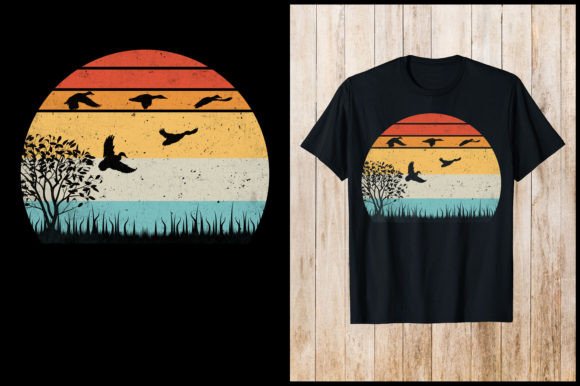
The Dove Hunting Retro T-Shirt Review
As a designer who spends more time staring at stitch patterns than sleeping, I approach every new T-Shirt Designs graphic with a healthy dose of skepticism. The market is flooded with generic clipart that looks beautiful on a screen but falls apart under the needle. However, when I first pulled up The Dove Hunting Retro T-Shirt, I didn’t just see a file; I saw a finished product waiting to happen. This isn’t just another digital asset; it’s a design with personality, history, and enough visual weight to hold its own in a crowded craft fair booth or an Etsy shop.
I recently took this design for a spin—not just digitally, but practically. My goal was to determine if this Graphics piece could survive the transition from vector art to thread without losing its soul. Below is my honest breakdown of how The Dove Hunting Retro T-Shirt performs in real-world embroidery scenarios, where it shines, and where you might need to tread carefully.
First Impressions: Mood and Visual Personality
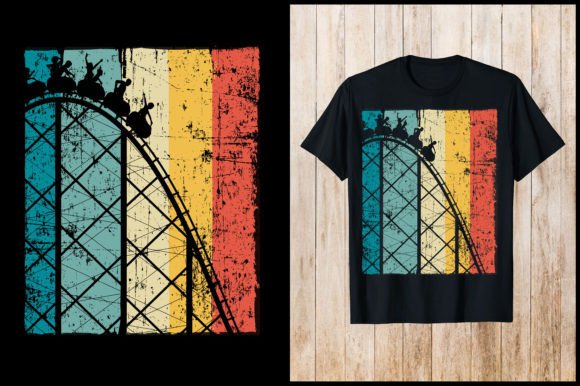
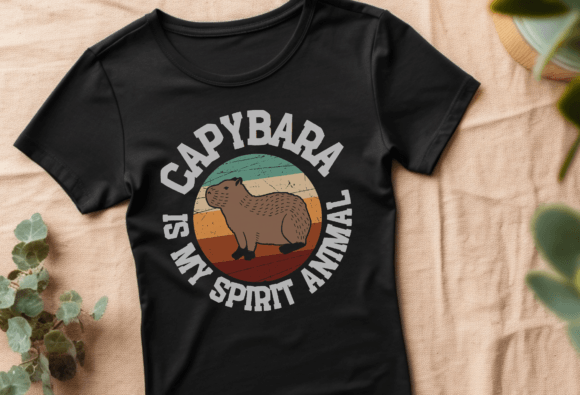
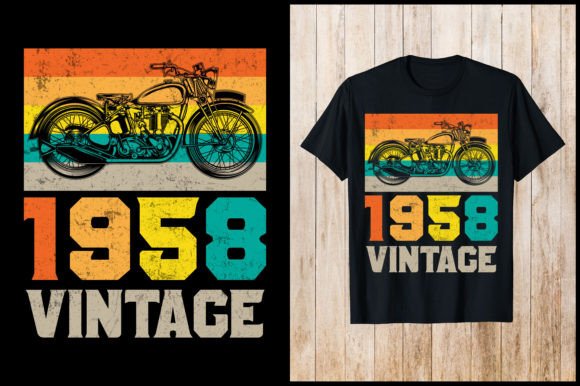
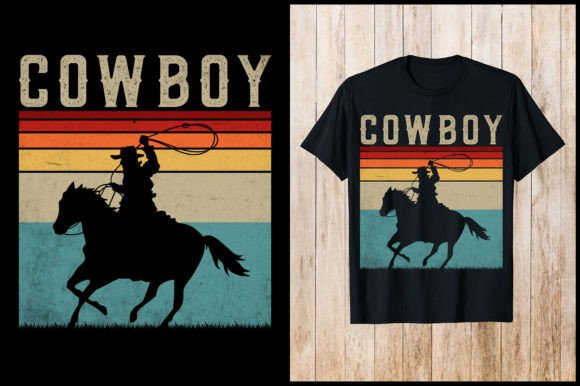
The immediate vibe of The Dove Hunting Retro T-Shirt is nostalgic yet edgy. It taps into that mid-century Americana aesthetic but flips the script with a modern, slightly rebellious twist. For an embroidery project, this translates to high recognition value. Customers don’t just buy a shirt; they buy into a lifestyle or a statement. The layout feels balanced, suggesting that whether you place this on the chest of a hoodie or centered on a tote bag, it will command attention.
From a design perspective, the shapes are bold. In machine embroidery, bold shapes are your best friend. They allow for clean edges and reduce the likelihood of puckering, provided the stitch density is managed correctly. The retro theme suggests warm, earthy tones or high-contrast monochrome palettes, which makes choosing thread colors intuitive. You aren’t guessing what shade of green works; the design tells you.
Real-World Application: Where This Design Fits Best
I’ve tested similar assets across various mediums, and The Dove Hunting Retro T-Shirt shows remarkable versatility. It is not limited to standard apparel. Here is how I envision this embroidery project performing in different contexts:
- Custom Apparel and Sweatshirts: This is the natural home for this design. On a heavyweight cotton sweatshirt, the retro motif pops against the texture of the fabric. It works exceptionally well as a sweatshirt embroidery piece on the back yoke or left chest. The thickness of the garment supports the weight of the thread, preventing the design from looking like it’s sinking into the material.
- Tote Bags and Canvas Items: A tote bag design needs to be legible from a distance. The strong lines of this graphic ensure visibility even on busy fabrics. Pairing this with a sturdy canvas tote creates a perfect handmade product for the eco-conscious consumer who also appreciates vintage aesthetics.
- Personalized Gifts and Holiday Embroidery: Imagine this on a flannel shirt or a kitchen towel for a holiday gift. The unique subject matter—doves paired with hunting imagery—strikes a conversation-starting balance. It’s not generic holiday cheer; it’s specific, memorable, and highly giftable. This elevates your status as a creator who offers personalized gifts with actual thought behind them.
- Boutique Branding and Merchandise: If you run a small shop, consistency is key. This design has a distinct visual identity that can serve as a brand anchor. Using it for commercial embroidery projects allows you to create a cohesive line of merchandise that stands out from the sea of mass-produced items.
Technical Considerations for the Embroidery Designer
While the visual appeal is strong, any experienced embroiderer knows that beauty lies in the execution. Before you load this embroidery file into your machine, there are critical technical factors to consider. Ignoring these can lead to frustrated customers and ruined products.
Hoop Size and Placement
The dimensions provided suggest a substantial design footprint. Ensure your hoop size accommodates the full artwork without requiring awkward re-hooping, which can misalign the stitching. If you are placing this on a curved surface like a cap, be cautious. Curved surfaces distort flat designs. While this graphic is robust, extreme curvature might stretch the satin stitch edges, making the doves look distorted rather than dignified.
Stitch Density and Fabric Choice
This is where many Etsy sellers make mistakes. High-density fills look luxurious on thick denim but can cause severe puckering on lightweight jersey knits. If you plan to use this on thin fabric, you must adjust the stitch density downward or add a tear-away stabilizer to support the threads. Conversely, on textured fabrics like boucle wool, fine details may get lost. Always test on scrap fabric first to see how the fill stitch interacts with your specific material.
Detail Level and Small Elements
Retro designs often rely on intricate linework. Check the small details in The Dove Hunting Retro T-Shirt. Are there tiny running stitch accents? If so, ensure your machine can handle the precision. Tiny elements can break easily during trimming or wear. If the design includes text, verify that the lettering is large enough to remain readable after washing. Embroidered text that becomes illegible due to shrinkage or thread fraying is a common source of negative reviews.
Color Strategy and Thread Selection
The success of this design hinges on contrast. Because it is a retro piece, it likely relies on a specific color palette to convey its era. When selecting thread colors, avoid muddy combinations. If the original graphic uses muted pastels, consider using higher-saturation threads to make the design pop, especially on darker backgrounds. However, be wary of using dark threads on dark fabric unless you have a clear plan for highlighting details. A black-on-black design requires exceptional lighting and texture variation to be seen, which is risky for a mass-market finished product.
I recommend creating a printable mockup in black and white first. This strips away color bias and lets you evaluate the composition’s balance. If the shapes read clearly in grayscale, they will almost certainly work in color. This step saves money on wasted thread and time.
Licensing and Commercial Use
Before you start selling small shop products featuring this design, you must address licensing. The description notes that the design is ready for print and includes AI, EPS, and PNG files. However, owning the file does not always grant commercial rights to sell physical goods. As a professional, you need to confirm whether this is a personal-use license or a commercial license. Selling digital embroidery files or physical embroidered goods without proper rights can lead to legal issues. Always read the fine print. If you are unsure, reach out to the creator. Transparency builds trust with your customers and protects your business.
Final Verdict: Is It Worth the Stitch?
In conclusion, The Dove Hunting Retro T-Shirt is a compelling asset for designers looking to add character to their portfolio. It bridges the gap between artistic expression and wearable fashion. Its strength lies in its bold, recognizable theme and its adaptability across various mediums, from apparel decorators’ racks to nursery decor.
However, it demands respect. It is not a "set it and forget it" design. It requires thoughtful placement, appropriate stabilizers, and careful color matching. If you treat it with the care it deserves, this design will result in high-quality custom apparel that customers love. It transforms a simple t-shirt into a statement piece, elevating your brand from a commodity seller to a curator of style.
For the craft business owner, this is a low-risk, high-reward addition to your catalog. Just remember: the magic isn’t in the file; it’s in the finish. Test thoroughly, stitch confidently, and let the quality of your work speak for itself.