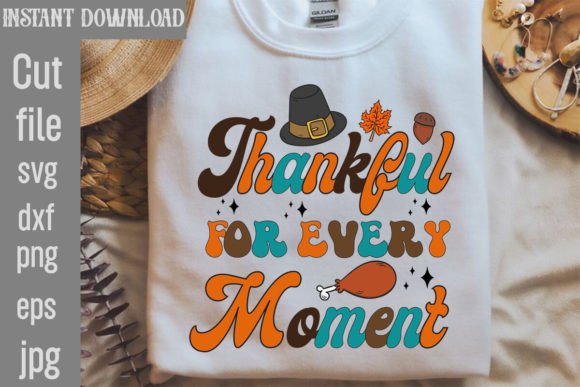
Thankful for Every Moment Retro Review
As a designer who spends more time than I care to admit staring at stitch charts and testing thread tension, I approach every new graphic with a healthy dose of skepticism. The market is saturated with "retro" assets that look great on a screen but fall apart under the needle. That is exactly why I decided to put Thankful for Every Moment Retro PNG Sublimation through its paces before recommending it to my own clients or using it in my personal craft business projects. This review isn't just about aesthetics; it is about how this design translates from a digital file into a tangible, high-quality handmade product.
First Impressions: Mood and Visual Personality
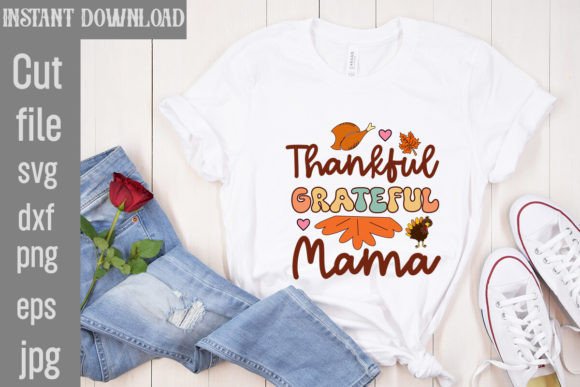
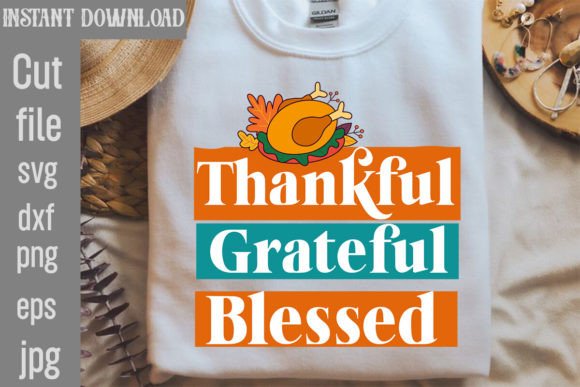
The moment you open the download, which includes one transparent PNG at 300 DPI and a JPEG mockup, the retro vibe hits immediately. It captures that nostalgic, warm aesthetic that has been dominating the T-Shirt Designs and Graphics categories lately. But unlike many trendy designs that rely heavily on complex gradients or thin lines that disappear when stitched, this piece feels grounded. The layout suggests a central focal point with supporting text, which is crucial for embroidery because it dictates where your eye—and your hoop—will rest.
The phrase "Thankful for Every Moment" carries an inherent emotional weight. In the world of personalized gifts, emotional resonance drives sales. Whether this ends up on a baby blanket, a mother’s tote bag, or a holiday gift tag, the message is universally appealing. Visually, the retro font choices suggest durability and warmth. It doesn’t feel fleeting or disposable. For a small business owner looking to build brand consistency, this kind of timeless-yet-trendy visual personality is gold. It signals professionalism without being sterile.
Real-World Application: From Screen to Stitch
Let’s talk about how this actually performs in real-life scenarios. I envision this design shining on custom apparel, particularly sweatshirts and heavy cotton t-shirts. The retro theme pairs perfectly with heather grey or muted earth tones. Imagine a cozy, oversized sweatshirt featuring this motif centered on the chest or placed as a small pocket embroidery. It feels like something a customer would wear repeatedly, not just once for a photo op.
However, the versatility extends beyond standard tees. This design is an excellent candidate for a tote bag design. The sturdy canvas fabric can handle the density required to make the retro elements pop. When reviewing embroidery project potential, I always ask: does it work on soft goods? Absolutely. It also translates beautifully to kitchen textiles. A set of tea towels or a kitchen apron featuring this gratitude-themed graphic adds a touch of homey charm that fits seamlessly into modern farmhouse decor trends.
For those selling on Etsy or running a boutique, this asset is versatile enough for seasonal marketing. While the word "thankful" often ties to autumn or Thanksgiving, the retro style makes it suitable for general appreciation gifts, wedding favors, or even nursery decor. The flexibility here allows an Etsy seller to repurpose the same core asset across multiple niches, maximizing ROI on their design assets.
Technical Considerations and Potential Pitfalls
Here is where the rubber meets the road. As a reviewer, I must highlight where caution is needed. While the provided files are high-resolution PNGs and JPEGs, they are graphics, not native machine embroidery files. If you are planning to digitize this yourself or have it digitized, you need to be mindful of several factors.
- Hoop Size and Placement: Before committing to a large garment, check the aspect ratio. If the design is wide, it might require a larger hoop size, which limits placement options on curved surfaces like caps or fitted sleeves.
- Stitch Density and Detail: Retro fonts can sometimes be tricky. If the lettering relies on extremely thin lines, you may find that a satin stitch becomes too dense or loses definition. Conversely, if the design uses large blocks of color, ensure the fill stitch isn't so heavy that it distorts lightweight fabrics like thin polyester blends or delicate baby clothes.
- Fabric Texture: This design will struggle on highly textured fabrics like bouclé or thick wools unless you use a heavy-duty stabilizer. On stretchy knits, you must use cut-away stabilizer to prevent puckering, especially around the edges of the graphic.
- Thread Color Contrast: The transparency of the PNG means you have freedom in color matching, but you must test contrast. Light retro pastels on white fabric will vanish. Dark threads on dark fabrics can lose detail. Always inspect small details by viewing your mockup in black and white to ensure legibility.
If you are creating an embroidered patch, this design works well because patches often have a border that contains the stitching, allowing for slightly denser work without worrying about the surrounding garment. However, for direct-to-garment embroidery on a cap, be wary of the curved surface. Fine details might get lost in the curve of the brim or the crown.
Practical Designer Notes for Success
To ensure your finished product looks professional and earns customer trust, follow these practical steps before mass-producing items:
- Test on Scrap Fabric: Never run a new design directly onto a premium garment. Use scrap pieces of the exact fabric you plan to sell. Check how the thread colors interact with the weave.
- Review Stitch Order: If you are digitizing this, consider using a combination of running stitch for fine outlines and fill stitch for solid shapes. This reduces bulk and improves drape.
- Check Licensing: Since this is a DIGITAL DOWNLOAD ONLY item, verify the commercial use rights. Can you sell unlimited finished products? Are there restrictions on the number of units? Clarifying this protects your craft business from legal issues.
- Stabilizer Selection: Match your stabilizer to the fabric weight. A light tear-away might suffice for a stable cotton tote, but a woven cut-away is safer for stretchy knitwear or frequent-wash items like baby clothes.
- Mockup Testing: Use the included JPEG mockup to visualize the final result, but remember that digital previews don't show texture. Create a physical sample to assess the tactile quality of the embroidery.
Final Verdict: Is It Worth It?
Thankful for Every Moment Retro PNG Sublimation is a strong contender for designers looking to add emotional depth to their collections. It avoids the trap of being overly complicated while still offering enough visual interest to stand out in a crowded marketplace. Its strength lies in its adaptability—it works equally well as a personalized gift for a friend or as a staple item in a small shop product lineup.
For the commercial embroidery professional, the key is execution. The design provides the mood and the message; your digitization skills provide the longevity and quality. By paying attention to stitch density, fabric choice, and proper stabilization, you can transform this graphic into a premium finished product that customers will cherish. It is a smart, sensible addition to any designer’s toolkit, bridging the gap between digital convenience and handmade authenticity.