Retro Coat Man Embroidery Review
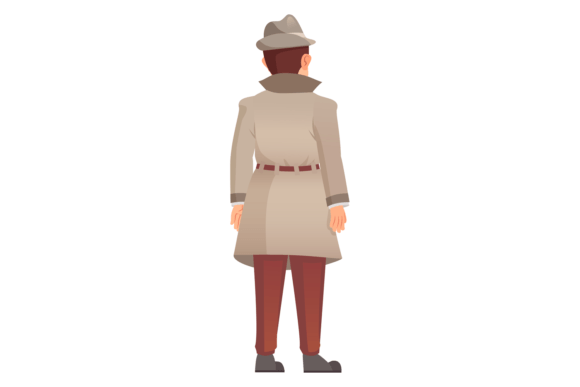
When I first pulled up Man in Retro Coat and Hat Rear View. Car, my initial reaction wasn’t about the technical specs—it was about the vibe. As a designer who spends hours staring at stitch charts and fabric swatches, I look for more than just a clean vector; I look for personality. This illustration brings a distinct, nostalgic energy that feels right at home in today’s market for vintage-inspired, handcrafted goods. It’s not just a graphic; it’s a mood board come to life, isolated cleanly on a white background, which is exactly what we need when we are preparing to digitize or adapt an image for real-world application.
The First Impression: Mood and Market Fit
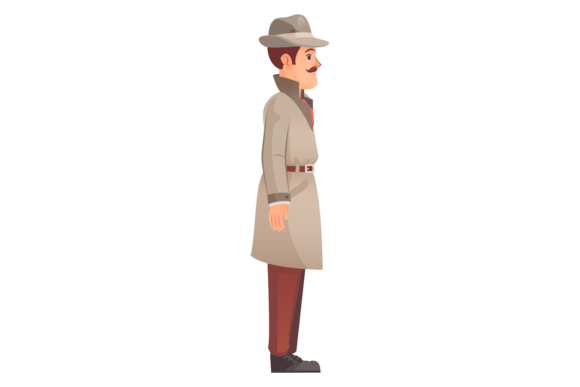
The subject matter—a man in a retro coat and hat, viewed from behind, with a car nearby—immediately signals a story. There is a sense of travel, nostalgia, and perhaps a mid-century aesthetic that resonates strongly with current trends in streetwear and boutique apparel. When you think about where this would live, your mind likely jumps to specific products before you even touch the hoop. It feels tailor-made for a custom apparel project, specifically something like a heavyweight sweatshirt or a structured tote bag.
The composition is balanced. The rear view angle is a smart choice for embroidery because it avoids the complexities of facial features, which can often turn out muddy or overly detailed in thread. Instead, the focus shifts to the silhouette, the texture of the coat, and the overall posture. This makes it a highly adaptable embroidery project for designers who want to create handmade product lines that feel personal yet universally appealing. For an Etsy seller or small shop product creator, this kind of imagery offers high recognition value without being too literal or restrictive.
Real-World Application: From Screen to Stitch
Let’s talk about how Man in Retro Coat and Hat Rear View. Car translates into physical form. In my experience, designs that rely on strong silhouettes perform best in machine embroidery. If I were taking this to production, I’d immediately consider its potential as an embroidered patch or a chest-level logo on a denim jacket. The retro theme pairs beautifully with textured fabrics like corduroy, wool blends, or heavy cotton canvas.
Imagine this design on a neutral-colored tote bag design. The contrast between the dark threads of the coat and hat against a beige or olive canvas would pop visually. Or, picture it on a baby item—perhaps a onesie or a burp cloth. The "retro" trend is huge in nursery decor, and a stylized character like this adds a touch of whimsy that parents love. It works as a personalized gift because it isn’t tied to a specific holiday, making it a year-round seller. Whether it’s a wedding gift for a couple who loves road trips or a housewarming present, the design carries a warmth that digital prints often lack.
For commercial embroidery businesses, this asset is versatile. It can serve as a centerpiece for a collection of holiday embroidery items if styled correctly, or as a staple in a "traveler's edition" line. The fact that it is provided as an Illustrations category item means you have the flexibility to manipulate it. You aren't locked into a rigid digital embroidery file structure initially; you can decide whether to use it as a reference for a new digitization or to incorporate it into a larger collage of design assets.
Where to Exercise Caution
No design is perfect for every surface, and honest review requires looking at the limitations. While Man in Retro Coat and Hat Rear View. Car has a strong presence, it demands respect when placed on difficult substrates. I would advise against using this on small hoop sizes unless the design is significantly simplified. Tiny details in the car or the folds of the coat can get lost in dense stitching, resulting in a blobby appearance rather than a crisp image.
Textured fabrics are another consideration. If you place this on a chunky knit sweater or a rough burlap, the stabilizer might show through, or the fabric grain could distort the fine lines of the illustration. Similarly, thin or stretchy fabrics require extra care. Without a proper stabilizer, the tension of the satin stitch or fill stitch could pucker the material, ruining the professional finish. Dark fabrics also pose a challenge; if the original illustration relies on subtle light/dark contrasts within the gray tones of the coat, you may need to add underlay stitches or choose thread colors carefully to maintain clarity.
Curved surfaces, such as caps or curved backpack panels, can also distort the perspective. The "rear view" aspect of the design relies on a certain flatness to read correctly. On a curved brim, the car or the figure might look warped. For these applications, I recommend testing the design on scrap pieces of the actual final fabric first. This step is non-negotiable for maintaining brand consistency and ensuring customer trust.
Practical Designer Notes for Success
To get the most out of this graphics resource, here is my practical checklist before you start stitching:
- Test on Scrap Fabric: Always run a test stitch-out on the exact fabric you plan to use. This helps you gauge how the fabric texture interacts with the design density.
- Check Thread Color Contrast: Since the source is a cartoon character on a white background, ensure your chosen thread colors provide enough contrast against your base fabric. Low contrast leads to a design that gets lost.
- Review Stitch Density: If you are digitizing this yourself, pay attention to the stitch density. Too much density in the fill areas can make the fabric stiff and uncomfortable, especially for baby embroidery items.
- Inspect Small Details: Zoom in on the car and the hat details. Are they legible? If not, simplify them during the digitization process to ensure the finished product looks sharp.
- Black and White Mockups: Convert the design to black and white to check its readability. A good design should hold its shape even without color.
- Licensing Verification: Before selling any custom apparel or digital mockups derived from this, confirm the licensing terms. Ensure you are cleared for commercial use, especially if you are listing on platforms like Etsy or Amazon Handmade.
Final Verdict
Man in Retro Coat and Hat Rear View. Car is a strong contender for designers looking to add a touch of vintage charm to their catalog. It bridges the gap between modern minimalism and nostalgic storytelling, making it a flexible tool for both hobbyists and professional craft business owners. Its strength lies in its simplicity and emotional appeal, but its success depends entirely on execution. By choosing the right fabric, respecting the limits of hoop size, and paying attention to stitch quality, you can transform this simple illustration into a standout piece of apparel decoration.
Whether you are creating a limited run of pillow covers, a batch of kitchen towels, or a full line of small business merchandise, this design provides a solid foundation. It invites the viewer to imagine the journey, the destination, and the style—all stitched into one memorable image. For anyone serious about elevating their embroidery project game, this is a resource worth exploring, provided you approach it with the same care and attention to detail that the retro aesthetic deserves.