PI in Retro Cartoon St Review
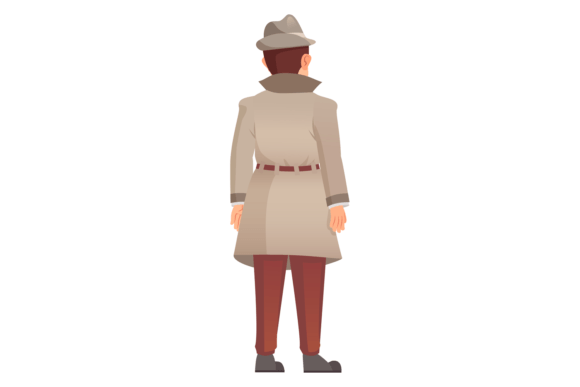
As a designer who spends half my day staring at stitch charts and the other half troubleshooting tension issues, I don’t just look at an illustrations file; I look at how it translates to thread. When I first pulled up Private Investigator in Retro Cartoon St, I wasn’t thinking about digital assets. I was thinking about a custom order for a client who wanted something gritty but fun for their boutique’s new line of detective-themed merchandise. This design caught my eye not because of its complexity, but because of its specific visual personality. It sits right in that sweet spot between vintage noir and playful cartoon, which is a difficult balance to strike when you have to rely on thread density to convey mood.
First Impressions and Visual Personality
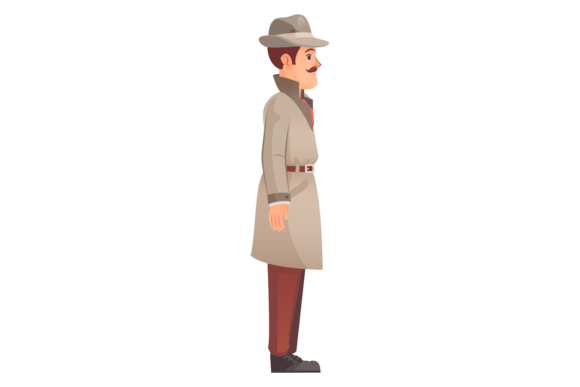
The side-view profile of the private investigator immediately sets a narrative tone. In embroidery, character direction matters. A face looking off to the side naturally draws the viewer’s eye across the garment or product, creating a sense of movement even in a static image. The retro cartoon style simplifies the shapes, which is actually a huge advantage for machine work. Complex realism often gets lost in dense satin stitches, turning fine details into muddy blobs. Here, the bold lines and exaggerated features suggest a design that will hold up well under the needle.
Mood-wise, it feels nostalgic yet modern. It evokes the feeling of old film posters but with a clean, graphic quality that appeals to younger demographics. For a handmade product maker, this versatility is gold. It doesn’t scream "crime scene" in a scary way; it whispers "mystery" in a charming way. This makes it approachable for a wider range of customers, from true-crime enthusiasts to people who just appreciate good vintage aesthetics.
Real-World Application: The Custom Tote Bag Scenario
Let’s talk about where this embroidery project would actually shine. I recently considered using Private Investigator in Retro Cartoon St for a series of canvas tote bags aimed at book lovers and mystery novel fans. Canvas is a forgiving fabric, but it can be thick. If the design has too much stitch density, the needle might struggle, or the bag could become stiff and unwieldy. However, the simplified nature of this character suggests that it likely uses efficient fill stitches rather than excessive detail.
Imagine placing this design centered on a heavy-duty cotton canvas tote. The contrast between the rough texture of the canvas and the smooth, glossy finish of high-quality polyester threads would enhance the retro vibe. Customers browsing an Etsy shop are drawn to items that tell a story. A plain black tote with this embroidered PI isn’t just a bag; it’s a statement piece. It signals that the owner has a sense of humor and an appreciation for design. This kind of personalized gift or craft business item tends to perform well because it feels curated and intentional.
I also see this working beautifully as an embroidered patch for denim jackets or backpacks. The isolated white background in the source files (EPS, JPG, SVG) makes it incredibly easy to digitize or trace for applique techniques if you want to add a border. A classic red or navy blue outline around the PI character would pop against indigo denim, creating a classic Americana look that fits perfectly with current fashion trends.
Technical Considerations for Embroidery Designers
Before you throw this design into your hoop, there are practical steps you need to take. Not every graphics file translates seamlessly to the machine. First, always test on scrap fabric. Even if the design looks simple, the way the thread lays down depends heavily on your machine’s tension and the type of stabilizer you use. For a character like this, I recommend a cut-away stabilizer if you’re working on stretchy fabrics like sweatshirts, to prevent puckering over time. If you’re doing custom apparel like t-shirts, a tear-away might suffice for lighter weights, but stability is key for longevity.
Pay close attention to the thread colors. The retro style relies on strong contrasts. If you’re stitching this on dark fabric, you’ll need a high-density underlay to make the colors stand out. On light fabric, you might get away with less coverage, but ensure the skin tones and hat colors are distinct. I often convert designs to black and white mockups to check for clarity. If the silhouette disappears when stripped of color, the design lacks sufficient structural definition. With Private Investigator in Retro Cartoon St, the side profile is distinct enough that it should pass this test, but verifying this step saves you from ruined products.
Another critical factor is the hoop size. Ensure the design fits comfortably within your standard hoops without cutting off any crucial details, like the brim of the fedora or the collar of the trench coat. If the design is intended for small areas, such as a baby onesie or a cap front, you must verify that the smallest elements—like the eyes or buttons—are large enough to be stitched clearly. Tiny details often require manual intervention during digitizing to ensure they don’t vanish after washing.
Where to Use Carefully
While this design is versatile, there are places where it might not be the best fit. Avoid using it on highly textured fabrics like chunky knits or bouclé, as the fabric texture will interfere with the smooth lines of the cartoon style. Similarly, be cautious on curved surfaces like baseball caps unless you have a dedicated cap frame and experience. The side view of the character needs a relatively flat plane to maintain its proportions; distortion on a curve can make the character look warped.
Also, consider the end-use of the product. If you are making items that will undergo frequent industrial washing, such as commercial uniforms or heavy-duty aprons, ensure the design is robust. Delicate running stitches might fray or pull over time. A design dominated by sturdy satin stitch outlines and efficient fill stitch areas will endure better. Always confirm the licensing terms before selling finished items. Just because you bought the digital embroidery file doesn’t automatically grant you commercial rights for mass production. Check the license agreement to see if you can sell physical goods made with this design.
Impact on Brand and Customer Trust
For Etsy sellers and small shop owners, the quality of your embroidery directly impacts customer trust. A sloppy stitch job can make a great design look amateurish. Conversely, a crisp, well-executed Private Investigator in Retro Cartoon St elevates the perceived value of the item. Customers are willing to pay more for handmade goods that show attention to detail. When you present your finished product in photos, the clean lines of this retro character photograph exceptionally well, especially with natural lighting that highlights the texture of the thread.
This design also supports brand consistency. If you are building a niche brand around mystery, literature, or vintage aesthetics, having a signature character like this PI allows you to create a cohesive collection. You can expand on the theme with related items like kitchen towels, pillow covers, or holiday embroidery projects featuring similar stylistic elements. It becomes a recognizable asset in your design assets library, helping you build a loyal customer base that returns for your unique style.
Final Verdict
Private Investigator in Retro Cartoon St is a solid choice for designers looking to add a touch of whimsical noir to their repertoire. Its strength lies in its simplicity and clear visual language, which translates well to thread. Whether you are creating a one-off personalized gift for a friend or scaling up production for a commercial embroidery business, this design offers flexibility and charm. Just remember to respect the technical limitations of embroidery: test your stitches, choose the right stabilizer, and always prioritize clarity over clutter. When executed correctly, this character won’t just sit on the fabric; it will bring a story to life.