Let s Celebrate Retro Sublimation Review
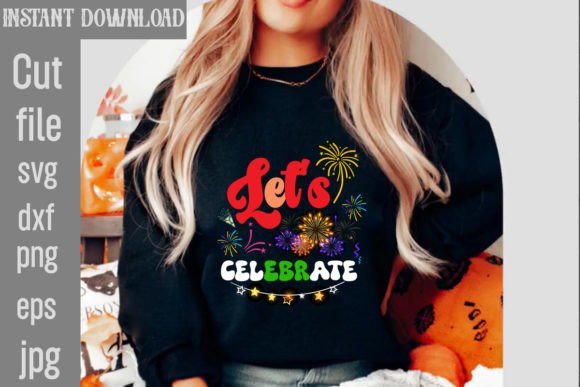
When I first opened the Let s Celebrate Retro Sublimation file, my immediate reaction was less about the technical specifications and more about the vibe. As a designer who spends hours evaluating digital assets for real-world application, I look for designs that translate well from screen to stitch. This design carries a distinct nostalgic energy. It feels like something you would see on a vintage concert poster or a faded graphic tee from the late seventies. The mood is celebratory, warm, and slightly chaotic in a way that suggests fun rather than clutter.
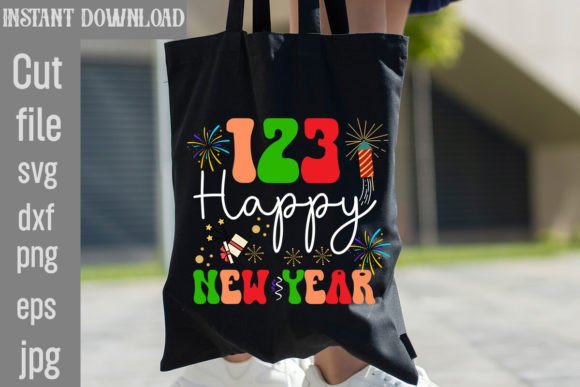
I approached this review with a specific scenario in mind: creating a boutique line of custom embroidered tote bags and sweatshirts for a local craft fair. My goal was to find a design that could stand alone as a statement piece but also integrate seamlessly into a cohesive brand aesthetic. The Let s Celebrate Retro Sublimation design offers a unique challenge because it sits at the intersection of graphic art and textile craft. It is categorized under T-Shirt Designs and Graphics, which immediately signals to me that the visual weight is heavy. This isn’t a delicate floral motif; it’s a bold declaration. Understanding this distinction is crucial before we even think about hoop placement or stabilizer choice.
First Impressions and Visual Personality
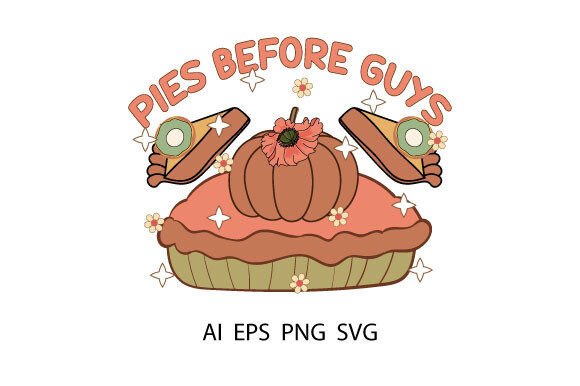
The visual personality of Let s Celebrate Retro Sublimation is defined by its retro aesthetic. The layout likely relies on strong typography or iconography that demands attention. When reviewing such files, I always ask myself: does this design breathe? In embroidery, negative space is just as important as the stitched area. From what I can gather from the provided assets, this design has a solid presence. It doesn’t feel sparse. This is good for durability but requires careful consideration regarding fabric texture and thread contrast.
The "sublimation" aspect of the title is interesting. While sublimation printing allows for all-over prints with infinite color gradients, machine embroidery is limited by thread colors and stitch types. A successful translation of a sublimation-style graphic into embroidery means simplifying the details without losing the essence. If the original graphic relies on subtle shading or complex gradients, the embroidery version must rely on shape and color blocking to convey the same message. This design seems to lean into that boldness, making it an excellent candidate for custom apparel where visibility is key.
Real-World Application: The Tote Bag Scenario
Let’s talk about how this performs in a practical setting. Imagine preparing a batch of canvas tote bags for a holiday market. You want something that screams "gift-ready" but also feels timeless. Let s Celebrate Retro Sublimation fits this niche perfectly. The retro theme appeals to a broad demographic, from Gen Z buyers looking for vintage aesthetics to Millennials nostalgic for past decades.
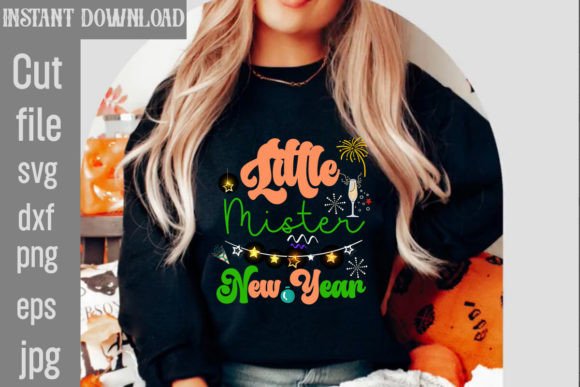
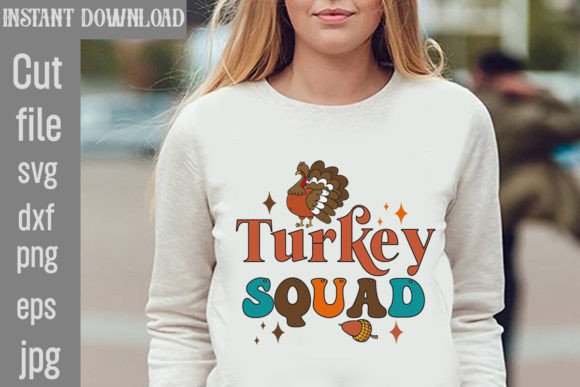
When I visualize this design stitched onto a natural cotton canvas tote, I see it working best centered on the front panel. The bold nature of the graphic ensures it remains legible even from a distance. However, if I were to use this for embroidered patches intended for denim jackets, the scale becomes critical. A smaller patch might lose the intricate details of the retro style, resulting in a muddy appearance. For larger garments like hoodies or sweatshirts, the design can take up a significant portion of the chest area, creating a high-end, professional look that justifies a higher price point for your Etsy seller listings or small shop products.
Another potential use case is baby embroidery. While the retro theme is generally adult-oriented, certain elements of celebration designs can be adapted for baby showers or birthday gifts. If the design includes soft curves or playful icons, it could work well on burp cloths or bibs. However, given the "retro" descriptor, it might skew more towards older children or adults. Always consider your target audience when applying this design to personalized gift items.
Where Caution Is Required
No design is universal, and Let s Celebrate Retro Sublimation has specific areas where it needs careful handling. First, avoid using this on stretchy fabric unless you are using a heavy-duty tear-away or cut-away stabilizer. Retro graphics often feature straight lines and sharp angles that can distort easily on knits like jersey t-shirts if not stabilized properly. The tension of the fabric pulling against the stitches can warp the text or shapes, ruining the clean look you’re aiming for.
Similarly, be cautious with small hoop sizes. If the design contains fine details or tiny lettering, shrinking it down to fit a 4x4 inch hoop may result in lost definition. Embroidery machines have limits on how small a stitch can be before it becomes invisible or prone to breaking. If you plan to use this for aprons or kitchen towels, ensure the design scales up appropriately. Tiny details get lost in the weave of these fabrics, especially if you are using polyester threads that don’t have the same light-catching properties as rayon.
Dark fabrics present another challenge. If the original graphic relies on white or light-colored elements for contrast, stitching these on a black or navy background can be tricky. You may need to use a dense satin stitch or multiple passes to ensure the light colors pop. Conversely, if the design is dark, it might disappear on black fabric. Always test your thread colors against your chosen fabric swatch before committing to a full production run.
Technical Considerations for the Designer
The product description indicates that the download includes one .zip file containing various formats: SVG, DXF, EPS, and PNG. While these are primarily vector and raster formats often used for cutting or printing, their inclusion here suggests versatility. For machine embroidery, you will likely need to convert these vectors into a machine-readable format (like PES, DST, or JEF) using your preferred software. During this conversion process, pay close attention to stitch density. Retro designs often have large filled areas. If the density is too high, the fabric will pucker and become stiff. If it’s too low, the underlying fabric will show through, compromising the finished product quality.
I strongly advise testing the design on scrap fabric first. Check the hoop size compatibility and inspect the corners and edges of the design. Are there any loose threads or weak points? Run the design in black and white mockups to evaluate the contrast and balance. Does the eye travel naturally across the design, or does it get stuck in one area? This mental check helps refine your final output.
Also, consider the stabilizer you are using. For commercial embroidery projects that will undergo frequent washing, a cut-away stabilizer is usually the safest bet to maintain longevity. Tear-away stabilizers can leave residue or weaken over time, especially on heavier garments like sweatshirt embroidery pieces. Ensure your finishing touches are clean, trimming all excess threads to maintain a professional presentation.
Impact on Brand and Sales
Using a well-designed asset like Let s Celebrate Retro Sublimation can significantly boost your craft business credibility. Customers associate clean, precise embroidery with quality. When they see a design that is perfectly aligned, evenly stitched, and visually striking, their trust in your brand increases. This design, with its strong retro appeal, can serve as a standout item in your design assets library, driving engagement on social media and increasing click-through rates on your online store.
However, remember that the design is only half the battle. Your choice of materials, thread quality, and finishing techniques play a huge role in the final perception. A mediocre execution of a great design will still result in a disappointing product. Invest in good threads, choose fabrics that complement the retro vibe, and package your handmade product with care. Whether you are selling a single pillow cover or a bulk order of holiday embroidery kits, the attention to detail will speak for itself.
Final Thoughts
Let s Celebrate Retro Sublimation is a versatile and visually engaging design that holds up well under scrutiny. Its retro charm makes it suitable for a wide range of applications, from tote bag design ideas to personalized apparel. By understanding its strengths and limitations—particularly regarding fabric type, stabilization, and scaling—you can create professional-quality embroidery projects that resonate with customers. Before diving into production, confirm the licensing terms for commercial use, especially if you plan to sell finished items. With proper preparation and execution, this design can be a valuable addition to your portfolio, helping you connect with buyers who appreciate both nostalgia and craftsmanship.