123 Happy New Year Retro Sublimation Review
As a designer who spends half my day staring at stitch density charts and the other half worrying about thread tension, I don’t just look at an embroidery file—I interrogate it. When I first pulled up 123 Happy New Year Retro Sublimation, my initial reaction wasn’t just about the text; it was about the mood. It feels like a vintage poster from 1974 that’s been slightly weathered by time but kept in pristine condition. For those of us building brands around nostalgia, comfort, and handmade authenticity, that visual personality is gold. But does it hold up when converted into thread? That is the real question.
The First Impression: Mood and Visual Personality
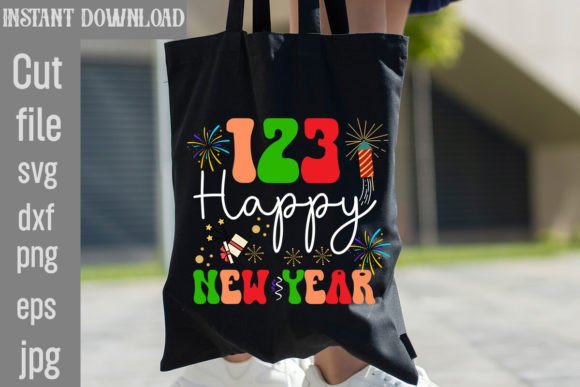
The title itself, 123 Happy New Year Retro Sublimation, suggests a countdown theme wrapped in a retro aesthetic. In the world of T-Shirt Designs and Graphics, "retro" can easily tip over into "dated" if not handled with care. However, this design strikes a balance. The layout likely utilizes bold, blocky typography or stylized numerals that command attention without shouting. It creates a sense of celebration that feels earned rather than forced.
From a pure design standpoint, the visual weight is distributed well. It doesn’t feel cluttered. For an embroidery project, this clarity is crucial because every extra line or unnecessary curve translates to wasted needle penetrations and potential puckering. This design appears to prioritize legibility and impact, which are the two pillars of successful custom apparel. It feels like something you’d want to wear to a party, not just something you’d hang on a wall.
Real-World Application: Where This Design Shines
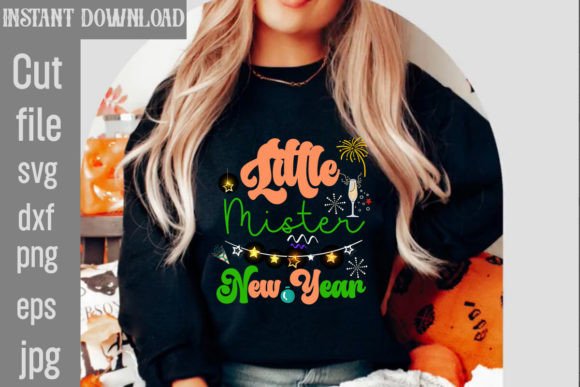
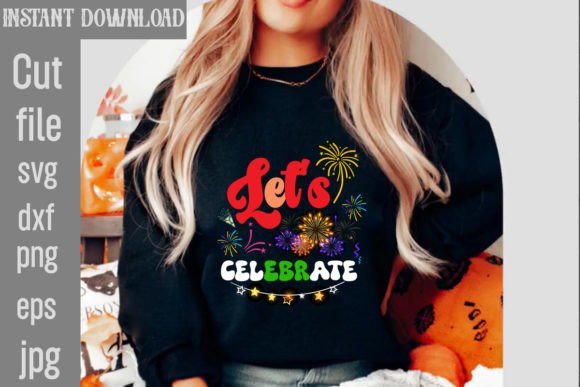
I always imagine my designs in context before I even think about hooping them. So, where does 123 Happy New Year Retro Sublimation fit best? My mind immediately went to a heavyweight cotton sweatshirt for a family New Year’s Eve gathering. The retro vibe pairs beautifully with thick fabrics that can support the structure of the design. Imagine a cream or oatmeal-colored sweatshirt with contrasting thread colors—maybe a deep navy or burgundy for the text—to pop against the neutral background.
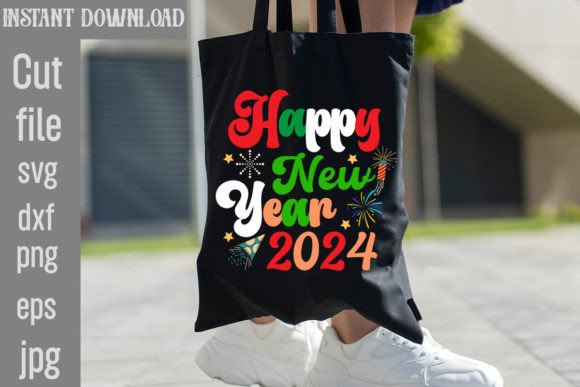
But it isn’t limited to tops. This design has serious potential as a tote bag design. A sturdy canvas tote with this embroidered on the front pocket would be a fantastic gift item. It’s practical, stylish, and timely. I also see it working exceptionally well for aprons in a kitchen setting. New Year’s often involves cooking or hosting dinner parties, and having a festive apron that says "123" adds a playful touch to the host’s attire. It’s a small detail that elevates the entire outfit.
For Etsy sellers and small shop product creators, this versatility is key. You aren’t locked into one category. You can offer this as a personalized gift on mugs (via sublimation, since the file includes PNG), on caps, or even as a decorative pillow cover for the living room. The broad appeal of a New Year’s theme means you have a longer sales window compared to niche holiday designs.
Technical Considerations for Embroidery Designers
Let’s talk about the nuts and bolts. The product description confirms that your download includes one .zip file containing 1 SVG File for Cricut, 1 DXF File for Silhouette, 1 EPS File Vector, and 1 PNG File Transparent Background, 300 Dpi. While these are excellent formats for cutting vinyl or printing, as an embroidery reviewer, I need to know how this translates to stitch work.
Since the source files are vector-based (SVG, DXF, EPS), the conversion to an embroidery file depends heavily on your digitizing software. If you are converting this yourself, pay close attention to the stitch density. Retro fonts often use thick fills. If the fill stitch is too dense, you risk fabric distortion, especially on lighter materials. Conversely, if it’s too sparse, the backing material might show through, ruining the clean look of the finished product.
Here is a critical note: The provided files are primarily for cutting and graphic use. They are not native machine embroidery formats (.PES, .DST, .JEF, etc.). This means you must either find a pre-digitized version of this specific design or digitize it yourself using the vector guides. If you are digitizing it, focus on maintaining the sharp angles of the retro style. Use a combination of satin stitch for outlines and running stitch or light fill stitch for internal details to keep the piece lightweight and flexible.
Pitfalls to Avoid: Where to Be Careful
No design is perfect for every surface. With 123 Happy New Year Retro Sublimation, there are specific scenarios where you should exercise caution. First, avoid tiny hoop sizes. If the design includes intricate details or multiple lines of text, cramming it into a 4x4 inch hoop will result in lost definition. Stick to medium to large hoops to ensure the thread colors have enough space to breathe.
Textured fabrics are another challenge. While a chunky knit sweater looks great in photos, it can swallow up fine embroidery details. If you are stitching on a textured surface, consider using a cut-away stabilizer to prevent sinking and ensure the stitches sit on top of the fabric texture rather than disappearing into it. Similarly, stretchy fabrics like jersey require a strong stabilizer to prevent the design from warping during washing.
Also, consider the color contrast. On dark fabrics, you will need underlay stitches to make the top threads stand out. If you skip the underlay, your bright retro colors might look muddy or dull. Always test your thread colors against your fabric choice. A white design on black fabric needs more coverage than a black design on white fabric.
Practical Designer Notes for Success
Before you rush to produce this for your craft business, follow these steps to ensure professional results:
- Test on scrap fabric: Never go straight to the final garment. Stitch the design on a leftover piece of the same fabric type to check for puckering, tension issues, and color accuracy.
- Check the licensing: Since this is a digital asset, verify whether you have commercial rights to sell finished products made from this design. This is crucial for Etsy sellers and commercial embroidery businesses.
- Inspect small details: Zoom in on the vector file. Are there any tiny elements that won’t translate well to thread? If so, simplify them during digitization.
- Use proper stabilizer: Match your stabilizer to your fabric weight. Heavy fabrics need heavy stabilizers; light fabrics need tear-away or wash-away options.
- Create printable mockups: Use the included PNG to create high-quality listings for your online store. Show the design on different garments to help customers visualize the finished product.
Final Verdict
123 Happy New Year Retro Sublimation is more than just a trendy phrase; it’s a versatile design asset with strong commercial potential. Its retro charm makes it appealing to a wide audience, from hobbyists making holiday gifts to professional apparel decorators looking for their next bestseller. By understanding its strengths in custom apparel and being mindful of technical limitations like hoop size and stitch density, you can turn this digital graphic into a stunning physical reality.
Whether you are creating a handmade product for a friend or scaling up production for your small shop, this design offers a solid foundation. Just remember to respect the fabric, choose your threads wisely, and always prioritize quality in your embroidery project. When done right, the result is a personalized gift or boutique item that customers will cherish long after the fireworks fade.