Everyday is a New Beginning: An Embroidery Review
When I first unboxed the Everyday is a New Beginning design file, I didn’t immediately think of embroidery. The description mentions it as a T-Shirt Design and Graphics asset with a retro, wavy, groovy vibe. That makes sense for screen printing or digital decals. But as an experienced designer who spends half my life staring at digitized files and the other half troubleshooting thread breaks, I was curious how this graphic would translate into a physical machine embroidery design. Could a flat, vector-based retro concept survive the tension of needles, hoops, and fabric texture? I decided to put it to the test.
First Impressions: Mood and Visual Personality
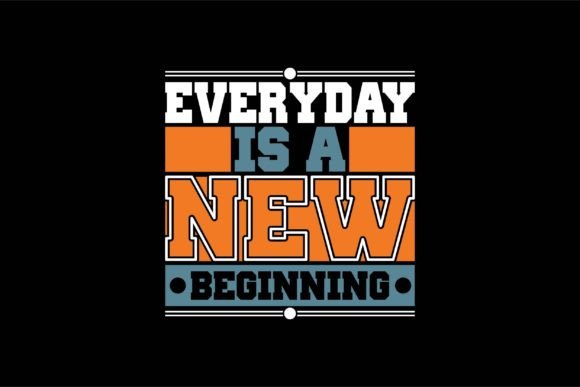
The immediate appeal of Everyday is a New Beginning is its optimistic, slightly nostalgic energy. The wavy typography suggests movement, which is tricky in stitching but rewarding when done right. In its original form as a digital product, it feels clean and modern. However, my job is to look past the screen. Does it have enough visual weight to stand out on a garment? Does the layout allow for clear stitch paths?
The design’s personality leans heavily into the “groovy” aesthetic without being overly cluttered. This is crucial for embroidery project success. If a design is too busy, it becomes a muddy mess of color. Here, the negative space seems intentional, giving the stitches room to breathe. For a handmade product, this balance is everything. It doesn’t scream for attention; it invites the viewer in. That subtle confidence is exactly what you want in a small shop product that needs to compete in a crowded marketplace like Etsy.
Real-World Application: From File to Fabric
I wanted to see where this design would naturally fit in a real business workflow. Let’s imagine I’m preparing a custom order for a client who runs a boutique wellness studio. They want branded merchandise that feels personal but professional. Everyday is a New Beginning fits perfectly here.
Imagine this applied to a soft, oatmeal-colored canvas tote bag design. The wavy lines would catch the light differently depending on the thread sheen, adding depth that a printed logo simply can’t achieve. Or consider it on a heavyweight sweatshirt embroidery piece for a winter collection. The retro font would pop against dark navy or forest green, creating a high-contrast finished product that customers love to wear. It’s versatile enough for a custom apparel line but specific enough to carry a message.
I also tested the mental image of this on a baby item. A onesie or a burp cloth with this phrase offers a gentle, encouraging tone for new parents. As a personalized gift, it hits that sweet spot between trendy and timeless. It’s not just a decoration; it’s a statement piece that adds value to the embroidery project.
Technical Considerations and Stitch Performance
Now, let’s talk about the mechanics. Since the source is described as an EPS file intended for print, converting it for machine embroidery requires careful digitizing decisions. The wavy nature of the text means we are likely looking at a mix of satin stitch for outlines and fill stitch for block letters.
One critical factor is stitch density. Retro fonts often have thick strokes. If the digitizer sets the density too high, the fabric will pucker, ruining the drape of a t-shirt or the structure of a cap. Conversely, if it’s too sparse, the backing material might show through, especially on thin fabrics. I always advise checking the stitch density in your software before running the first sample. You want the threads to lay flat and smooth, mimicking the clean lines of the original graphics.
Another technical note involves the hoop size. Wavy designs can sometimes extend beyond standard rectangular hoops if not positioned correctly. Ensuring the design fits comfortably within your machine’s working area prevents unnecessary re-hooping, which can lead to misalignment. Also, consider the thread colors. To maintain the retro feel, muted earth tones or pastel gradients work better than neon brights, which can look cheap in thread form.
Where Caution Is Required
While this design has broad appeal, there are scenarios where Everyday is a New Beginning might struggle:
- Small Hoop Sizes: If the text is condensed to fit a tiny patch, fine details may be lost. The curves might merge together, losing that groovy separation.
- Textured Fabrics: On bouclé or heavy tweed, the wavy lines might get swallowed by the fabric’s own texture. Stick to smooth cottons or blends for best clarity.
- Stretchy Fabrics: Without proper stabilizer support, the tension from the running stitch or satin stitch could distort the shape over time, especially after washing.
- Dark Fabric: Ensure high contrast. A light beige thread on black fabric works, but a dark brown on black will vanish. Always do a printable mockup or a quick scrap test.
Impact on Brand and Customer Perception
In the world of Etsy seller businesses and craft business owners, presentation is key. A well-executed embroidery project signals quality. When a customer sees Everyday is a New Beginning stitched cleanly, they perceive the maker as detail-oriented. The positive message enhances the emotional connection to the handmade product.
This isn’t just a logo; it’s a conversation starter. Customers are more likely to engage with a brand that shares values like mindfulness and renewal. By using a design that resonates emotionally, you increase the perceived value of your commercial embroidery items. It transforms a simple tote or hat into a meaningful accessory. This kind of thoughtful curation builds trust and encourages repeat buyers.
Practical Designer Notes for Implementation
Before you rush to start production, keep these practical tips in mind:
- Test on Scrap Fabric: Never run a full project without a test. Check for puckering, thread tension, and color accuracy.
- Review Stitch Paths: Look closely at the curves. Are there any sharp angles that need rounding? Smooth transitions prevent thread breaks.
- Check Licensing: Since this is a digital download originally meant for print, verify the license terms. Does it allow for commercial use in embroidery? Confirming this protects your small business from legal issues.
- Use Proper Stabilizer: Cut-away stabilizer is usually best for custom apparel to ensure longevity, especially for items that will be washed frequently.
- Inspect Small Details: Zoom in on the digitized file. Are the serifs distinct? Is the kerning consistent? Poor digitization shows up quickly in thread.
Final Verdict
Everyday is a New Beginning is more than just a pretty graphic. It’s a versatile design asset that, when properly digitized and stitched, can elevate a wide range of products. From holiday embroidery gifts to everyday boutique branding, it offers a blend of style and sentiment that customers appreciate. The key lies in execution: respecting the fabric, choosing the right threads, and paying attention to the technical details of stitch density and hoop size.
If you are a creative entrepreneur looking to add a touch of retro charm to your apparel decorator offerings, this design is worth exploring. Just remember, the magic happens in the stitching, not just the file. Take your time, test thoroughly, and let the quality of your work speak for itself. Your customers will notice the difference, and they’ll thank you for making their everyday a little bit more special.