Reviewing Beautiful Retro Flamingo Wall Art for Embroidery
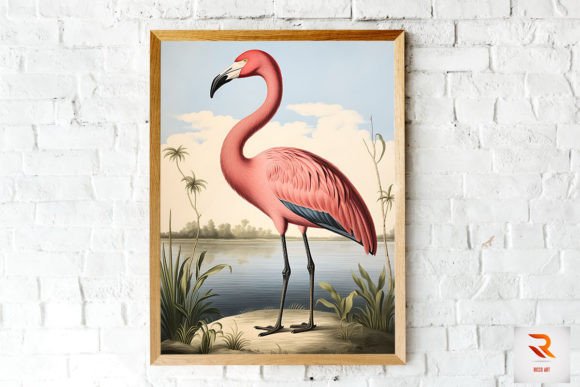
When I scout out new digital assets for my studio, I am rarely impressed by a pretty picture alone. As an embroidery designer and reviewer, my job is to look past the initial aesthetic appeal of a Beautiful Retro Flamingo Wall Art graphic and determine if it actually translates into a viable, high-quality stitched product. We are looking at a PNG file that claims high resolution (300 DPI) and substantial pixel dimensions, but how does a flat background graphic behave when subjected to the tension of a hoop and the friction of a needle?
I recently took this design through its paces, imagining it not just as a digital download, but as a physical commodity destined for an Etsy shop, a craft fair booth, or a boutique clothing line. Here is my practical breakdown of how this design holds up in real-world application.
First Impressions: Mood and Visual Personality
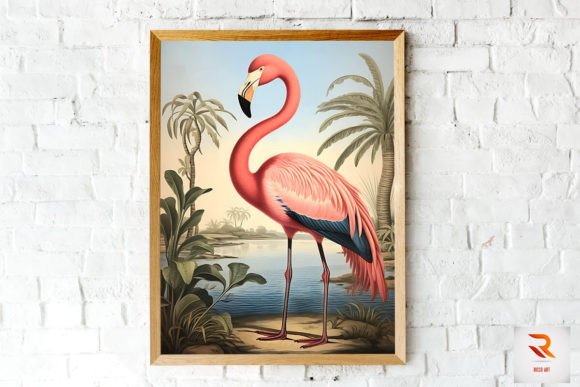
The title suggests a vintage aesthetic, and visually, it delivers. The retro flamingo motif taps into a specific nostalgia that has remained popular in home decor and fashion for years. It feels playful yet polished. For a designer, the immediate question is always about layout. Is this a standalone icon, or is it part of a larger scene? In this case, the "Wall Art" designation implies a strong central subject with atmospheric elements surrounding it.
This mood makes it incredibly versatile for lifestyle branding. It screams "California cool," "tropical vacation," or "mid-century modern chic." When you hold this concept in your mind while holding a blank tote bag or a soft cotton sweatshirt, you can already see the potential. It isn’t just a bird; it’s a vibe. This emotional connection is what drives sales in the handmade market. Customers aren’t buying a flamingo; they are buying a piece of that relaxed, stylish energy.
Real-World Application: Where Does It Fit?
Let’s talk about actual products. A machine embroidery design needs to live on something tangible. I envision this design performing exceptionally well on medium-to-large surface areas where the details can breathe. Here are the scenarios where this design shines:
- Custom Apparel: On a heavyweight cotton sweatshirt or a structured t-shirt, the retro colors would pop beautifully. The design is large enough to serve as a statement piece on the back of a hoodie or centered on the chest of a tee.
- Home Decor & Textiles: Pillow covers, kitchen towels, and tea towels are natural homes for this art. The vertical orientation suggested by the pixel dimensions works well for hanging textiles or upright display items like aprons.
- Baby & Nursery Items: There is a surprising amount of demand for gender-neutral, whimsical nursery decor. A soft blanket or a muslin swaddle featuring this flamingo could be a hit for baby showers, provided the stitch density is kept light for comfort.
- Craft Business Merchandise: For the Etsy seller or small shop owner, this is a goldmine for personalized gifts. Imagine a custom embroidered patch applied to a denim jacket or a tote bag design used for beach outings.
The versatility here is high. It bridges the gap between a handmade product meant for personal use and a commercial embroidery item meant for resale. Its broad appeal means it won’t alienate a niche audience, making it a safe bet for inventory planning.
Technical Execution: Stitching Clarity and Detail
This is where many designers fail. They download a beautiful PNG and assume it will embroider perfectly. It will not. You must convert this graphic into an embroidery file with intention. Because this is a Backgrounds and Graphics category asset, it likely contains solid shapes and potentially some gradient-like effects that do not exist in thread.
When digitizing this for a stitch density review, you need to be careful. If the design relies on tiny, intricate lines to define the feathers or the retro background patterns, those details may get lost in the fabric texture. I recommend using a combination of satin stitch for outlines and borders to give crisp edges, and fill stitch for the larger color blocks. However, avoid over-saturating the design with dense stitching, which can cause the fabric to pucker, especially on lighter materials.
Consider the thread colors carefully. The retro palette usually involves muted tones—dusty pinks, teals, creams, and mustard yellows. These colors require good contrast against the base fabric. If you are working with a dark fabric, you may need a heavy underlay or a contrasting backing to ensure the design stands out without looking muddy.
Where to Use It Carefully
Not every project is a good fit. There are specific constraints you must respect to maintain professionalism and customer trust.
- Small Hoop Sizes: If the design exceeds your machine’s maximum hoop size, you will face registration issues. Ensure the final digitized version fits comfortably within your standard hoops (e.g., 4x4, 5x7, or 6x10 inches).
- Textured or Stretchy Fabrics: Avoid using this on highly textured fabrics like chunky knits or thick fleece unless you are using a stabilizer specifically designed for such materials. On stretchy fabrics like jersey, the tension of the stitches can distort the flamingo shape, making it look warped.
- Curved Surfaces: While possible, applying a large wall art-style design to a curved surface like a baseball cap or a bucket hat requires advanced digitizing techniques to account for curvature. It is risky for beginners.
- Dense Stitch Areas: Do not place this design over existing seams, zippers, or pockets. The added bulk will create discomfort and may damage the machine needle.
Design Assets and Professional Presentation
For the digital product seller or the entrepreneur creating printable mockups, the quality of the source file matters. The provided 3712 x 4928 pixel resolution at 300 DPI is excellent for printing high-quality mockups. You can use this image to showcase your finished embroidered products online before you even stitch them.
However, remember that a mockup is not the final product. To build brand consistency and buyer engagement, you should photograph actual samples. Show the texture of the thread, the way the light hits the satin stitches, and how the fabric texture interacts with the design. This transparency builds trust. Buyers want to know that the finished product looks as good as the digital preview.
Practical Designer Notes Before You Start
Before you commit this design to your production queue, follow these steps to ensure success:
- Test on Scrap Fabric: Always run a test stitch on the exact fabric type you plan to sell. Check for puckering, thread breakage, and color accuracy.
- Check Black and White Mockups: Convert your design to grayscale to check contrast. If the design loses definition in black and white, it might struggle in color depending on your thread choices.
- Confirm Licensing: This is critical. Verify whether the purchase allows for commercial embroidery rights. Can you sell the finished items? Can you use the design in marketing? Never assume.
- Inspect Small Details: Zoom in on the original PNG. Are there fine lines that will become jagged when stitched? Simplify if necessary.
- Select Proper Stabilizer: Use a cut-away stabilizer for permanent stability, especially on garments that will be washed frequently. Tear-away may be sufficient for one-time use items like party favors.
In conclusion, Beautiful Retro Flamingo Wall Art is a strong candidate for a wide range of embroidery projects. It offers a timeless aesthetic that appeals to a broad demographic, from crafters making holiday gifts to apparel decorators building their summer collections. By approaching the digitization process with care and respecting the technical limitations of embroidery, you can transform this digital graphic into a profitable, professional handmade product that customers will love.